A landscape with a history.
One of the oldest mountain ranges on Earth, formed over several distinct collision events as ancient landmasses came together (eventually forming part of the supercontinent Pangaea). At its peak, the range may have rivaled the Himalayas in height. Since then — for hundreds of millions of years, far longer than any actively-forming range — weathering and erosion have had time to wear it down into the lower, more rounded mountains seen today.
What makes it remarkable
A clear, large-scale real-world example of the erosion-vs-uplift balance described on the Mountain Building page — this is what a mountain range looks like once erosion has had a very long head start.
Another skyline. Another story.
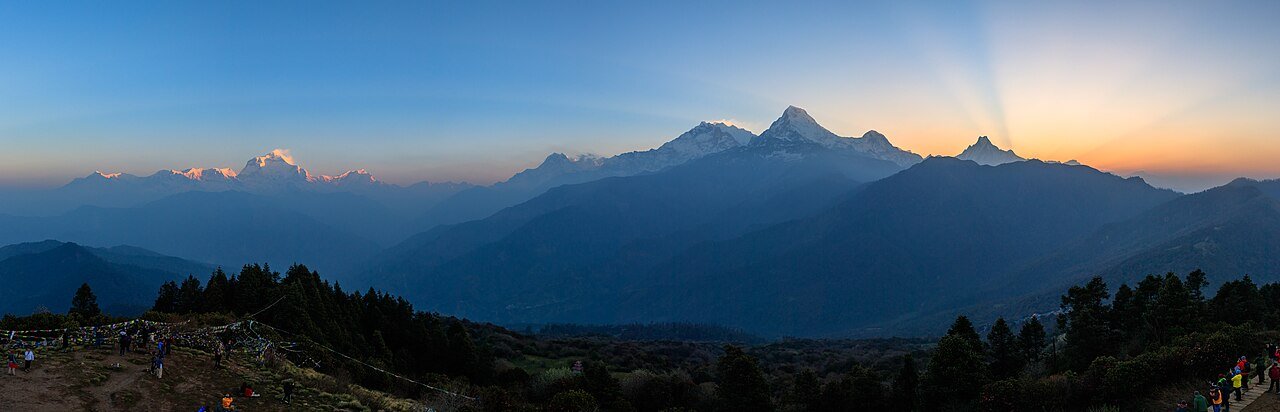
Himalayas
Began forming approximately 50 million years ago; still actively rising today.
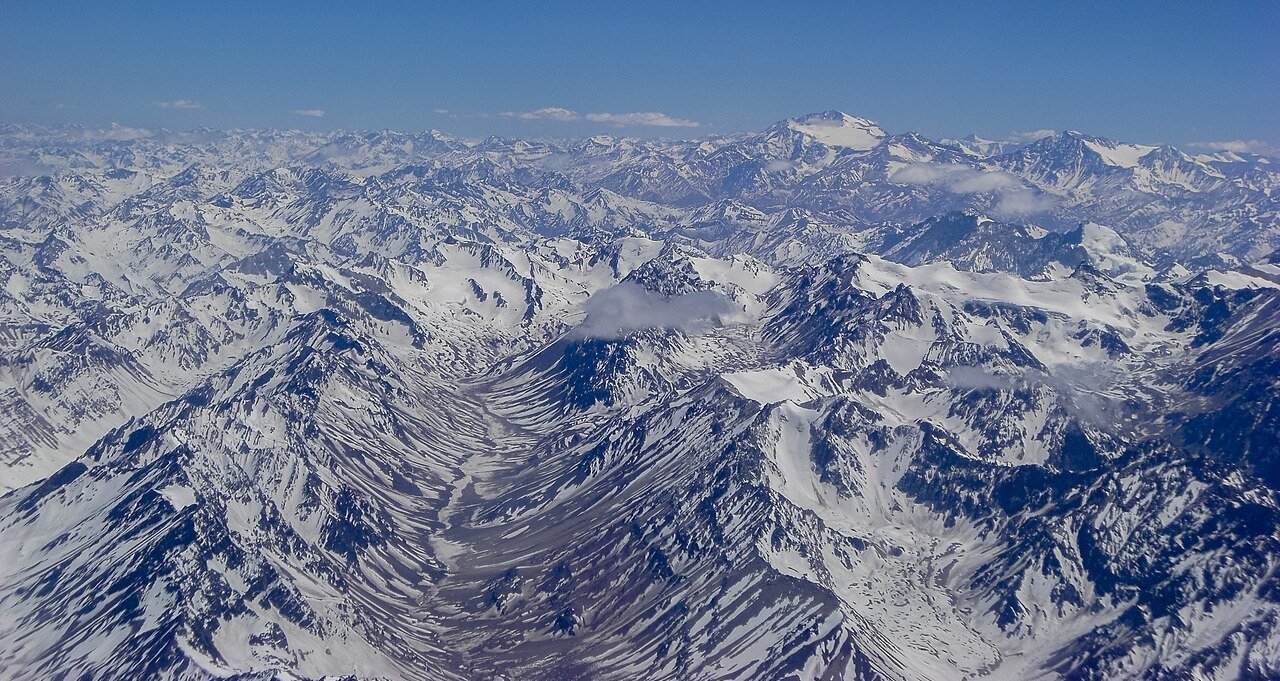
Andes
Formation began roughly 200 million years ago, with the modern range's major uplift occurring within the last 25 million years.
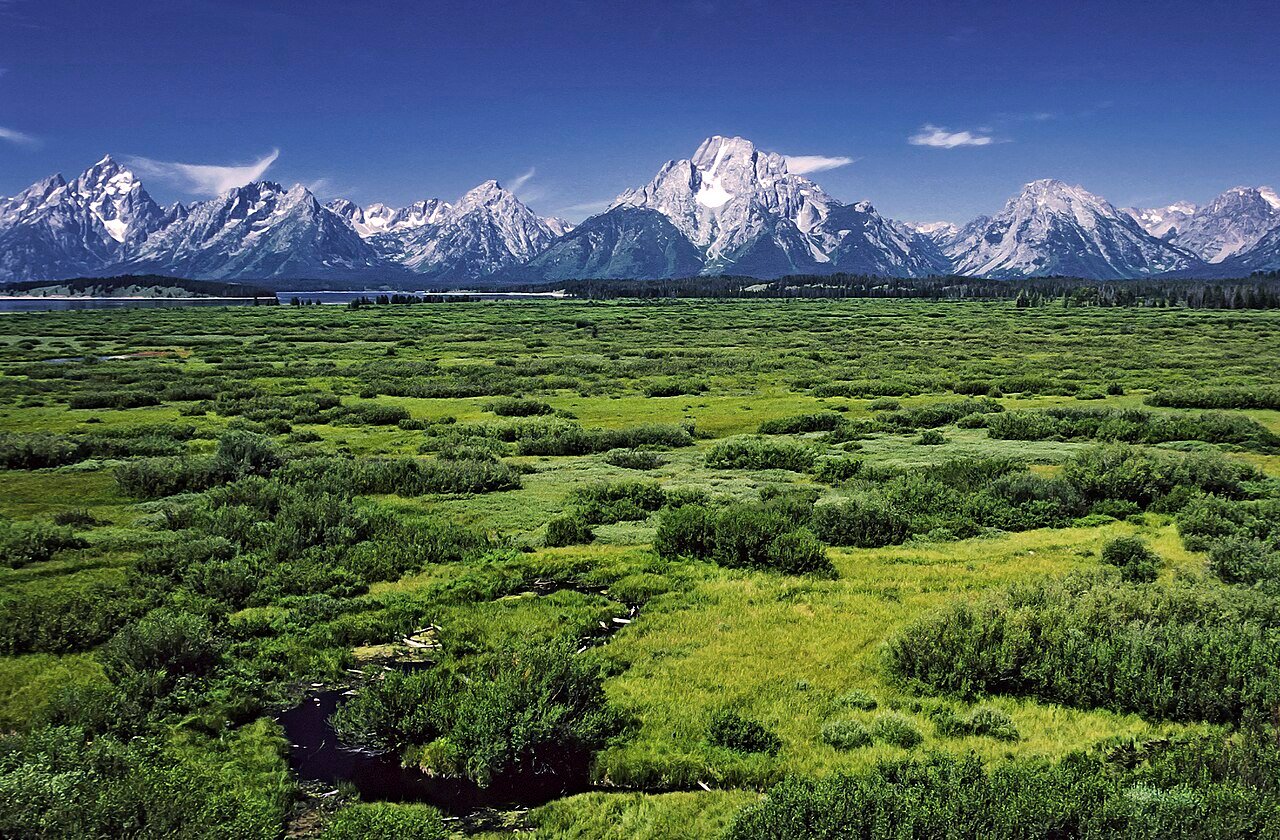
Rocky Mountains
Primary formation (the Laramide orogeny) occurred roughly 80–55 million years ago.