Southern Alps.
Uplift primarily within the last 5–10 million years, and ongoing.
A landscape with a history.
Formed along the Alpine Fault, where the Pacific and Australian plates meet in a boundary that's mostly transform (sliding past each other) but angled enough to also compress and uplift the crust — a genuinely different mechanism than the Himalayas' head-on collision or the Sierra Nevada's more straightforward vertical faulting.
What makes it remarkable
Aoraki/Mount Cook (12,218 ft), New Zealand's highest peak. Actively uplifting — among the fastest uplift rates on Earth for a range of its type, though erosion (heavy rainfall on the range's western side) also runs unusually fast, keeping the range from growing as tall as the uplift rate alone would suggest.
Another skyline. Another story.
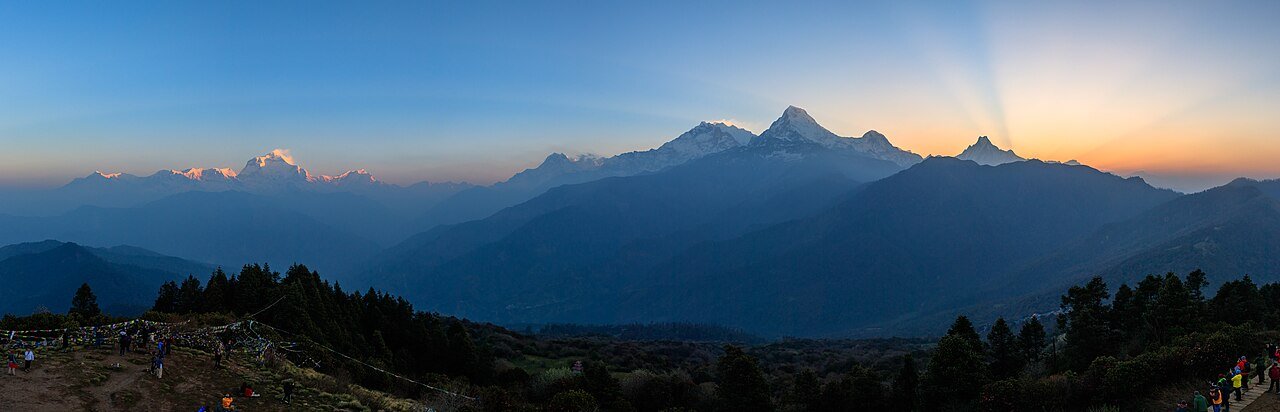
Himalayas
Began forming approximately 50 million years ago; still actively rising today.
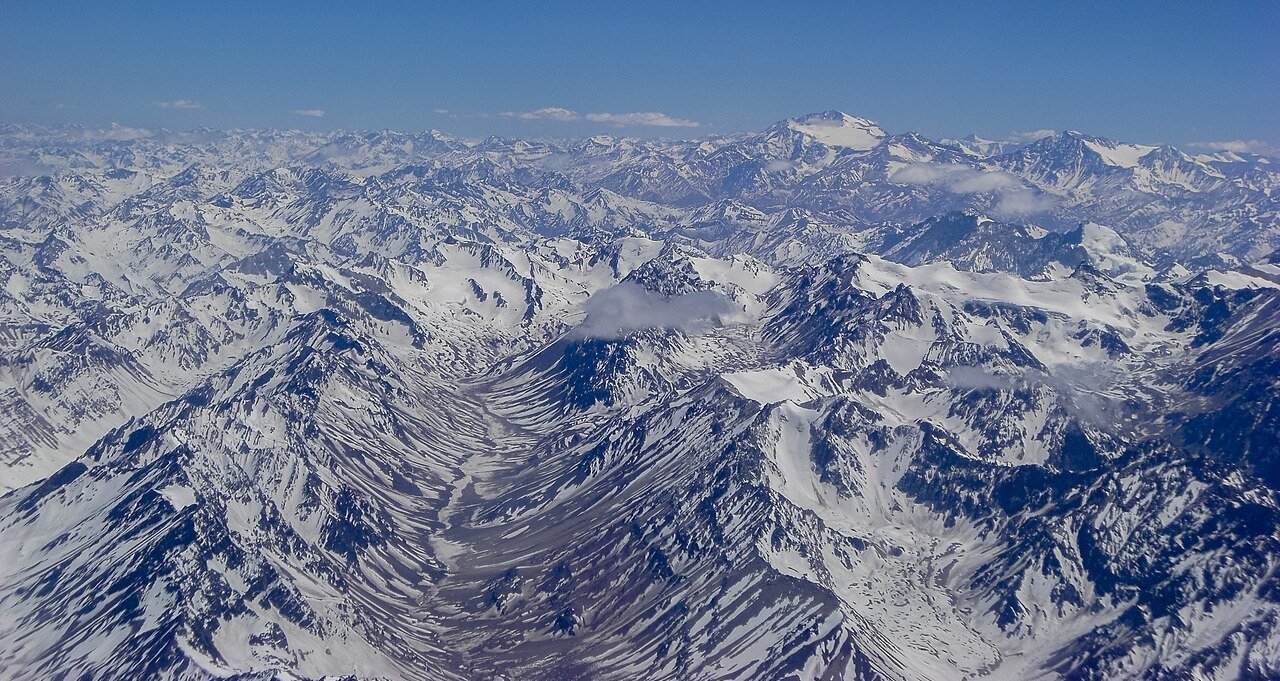
Andes
Formation began roughly 200 million years ago, with the modern range's major uplift occurring within the last 25 million years.
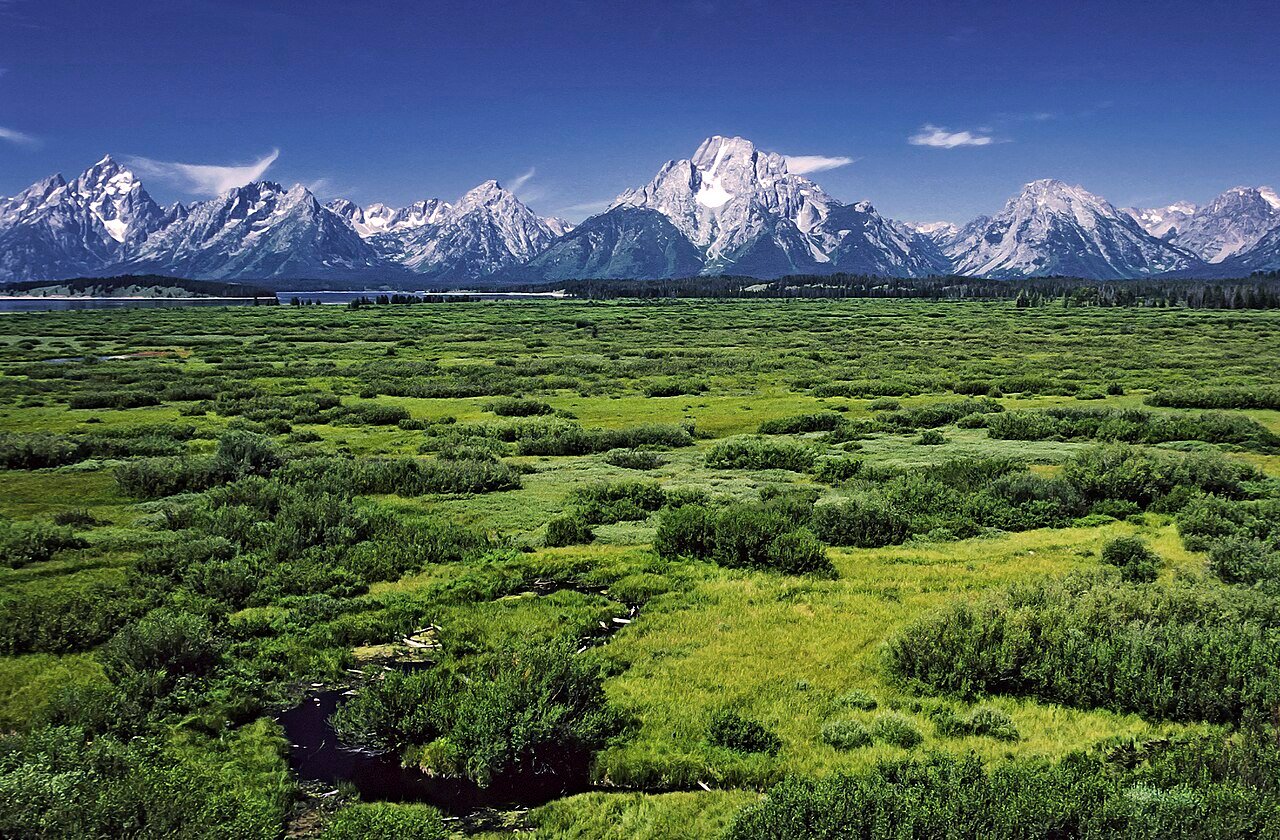
Rocky Mountains
Primary formation (the Laramide orogeny) occurred roughly 80–55 million years ago.