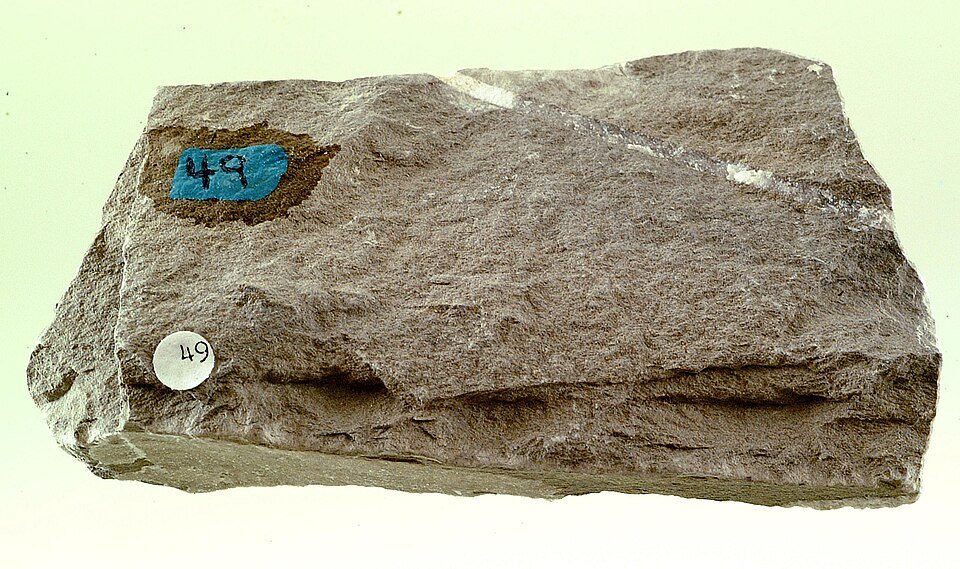
Sedimentary / Specimen 04

Siltstone.

How to identify it

Fine-grained, but with a slight gritty feel — finer than sandstone, coarser than shale

Explore the sedimentary family ↗
Siltstone specimen with a fine tan-gray surface
Mike Davis · CC0 · Image source ↗
01 / Origin story

How does siltstone form?

Siltstone is a clastic sedimentary rock made of particles between sand and clay in size (silt) — deposited in slower-moving water than sandstone's sand, but more energetic than shale's still water.

02 / Read the clues

How can you identify siltstone?

Use several clues together.
One photograph shows one specimen, not every variation.

Enlarged crop of the Siltstone specimen
Texture study · enlarged crop of this specimen
  1. 01Fine-grained, but with a slight gritty feel — finer than sandstone, coarser than shale
  2. 02Doesn't split into thin sheets the way shale does
  3. 03Usually gray, brown, or tan
03 / Commonly confused with

Similar at first glance.

Compare the materials side by side.
Photographs are not shown to the same scale.

Siltstone specimen for comparison

Siltstone ↗

Fine-grained, but with a slight gritty feel — finer than sandstone, coarser than shale
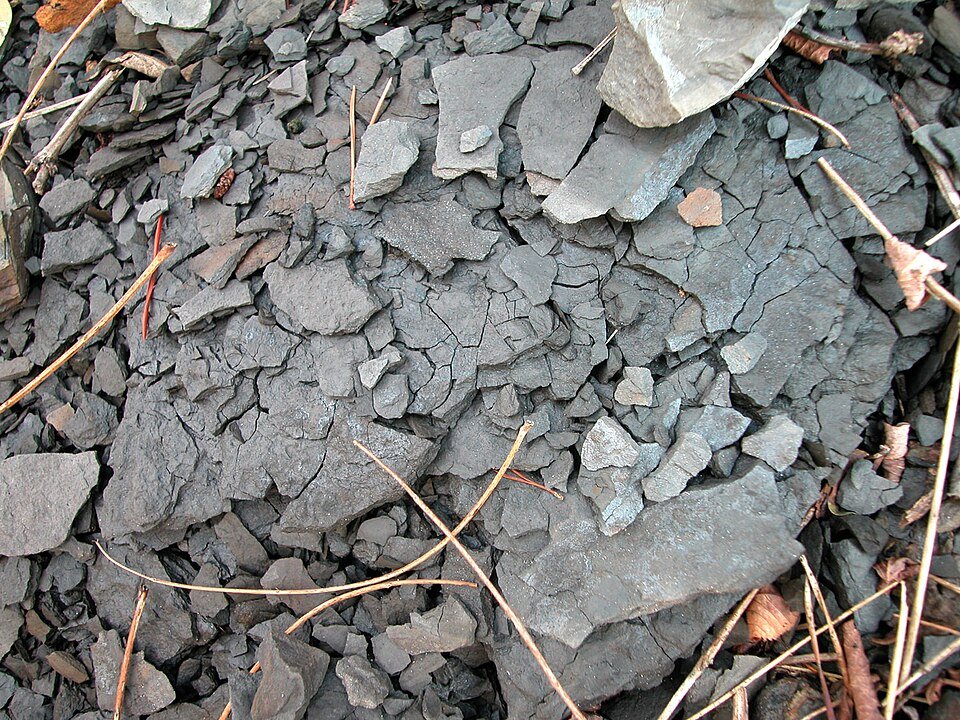
Shale specimen for comparison

Shale ↗

Very fine-grained, smooth to the touch
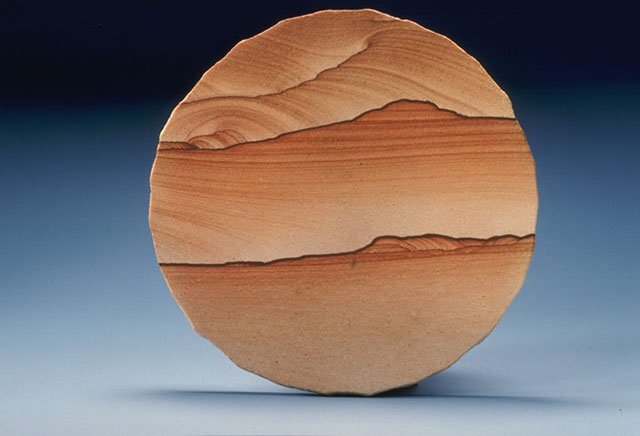
Sandstone specimen for comparison

Sandstone ↗

Visibly grainy texture, feels gritty

Shale and sandstone both — it's genuinely the in-between rock. The gritty-but-not-sandy touch test and the lack of shale's easy flat splitting are the main distinguishing clues.

04 / Out in the world

Where it’s found.

River floodplains, lake margins — environments with moderate water energy.

Continue exploring
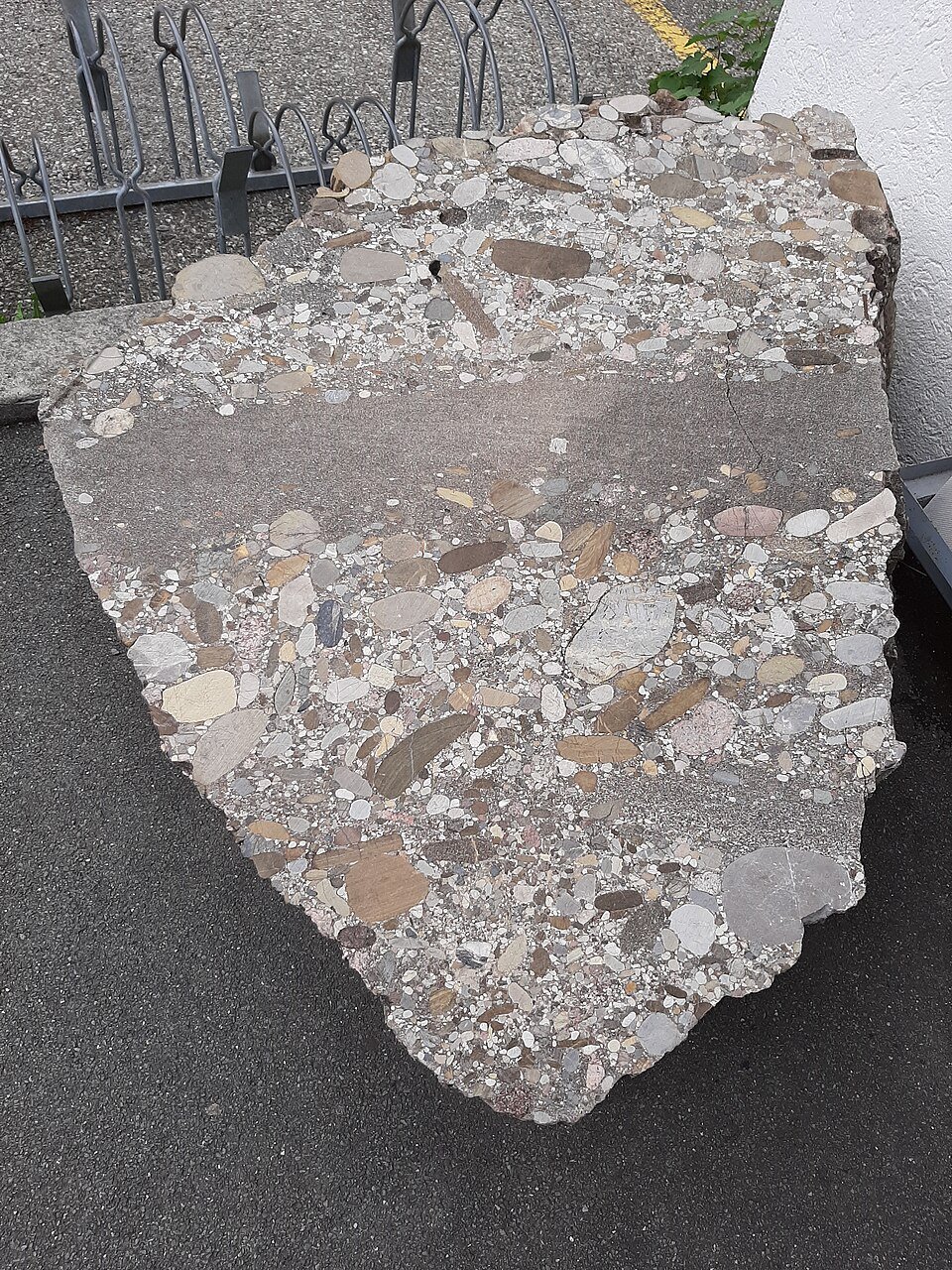
More from this family.