01 / Origin story
How does sandstone form?
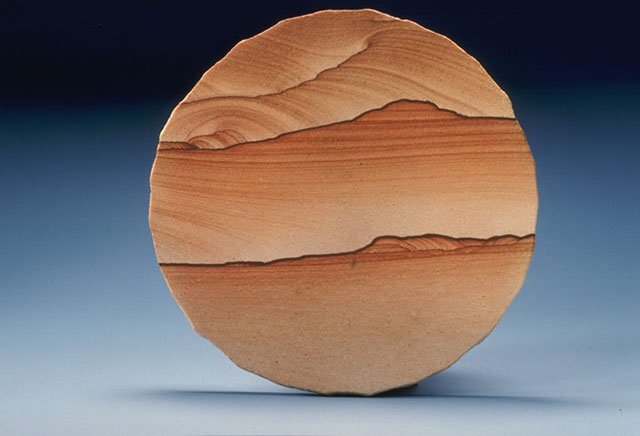
Sandstone is a clastic sedimentary rock made of sand-sized grains — usually quartz — that were deposited (by rivers, wind, or waves), buried, and cemented together over time as minerals crystallized in the spaces between grains.
02 / Read the clues
How can you identify sandstone?
Use several clues together.
One photograph shows one specimen, not every variation.
- 01Visibly grainy texture, feels gritty
- 02Color varies widely depending on what's cementing the grains — tan, red, brown, yellow, sometimes white
- 03Often shows visible layering (bedding)
- 04Individual sand grains are usually rounded from being tumbled by water or wind before burial
03 / Commonly confused with
Similar at first glance.
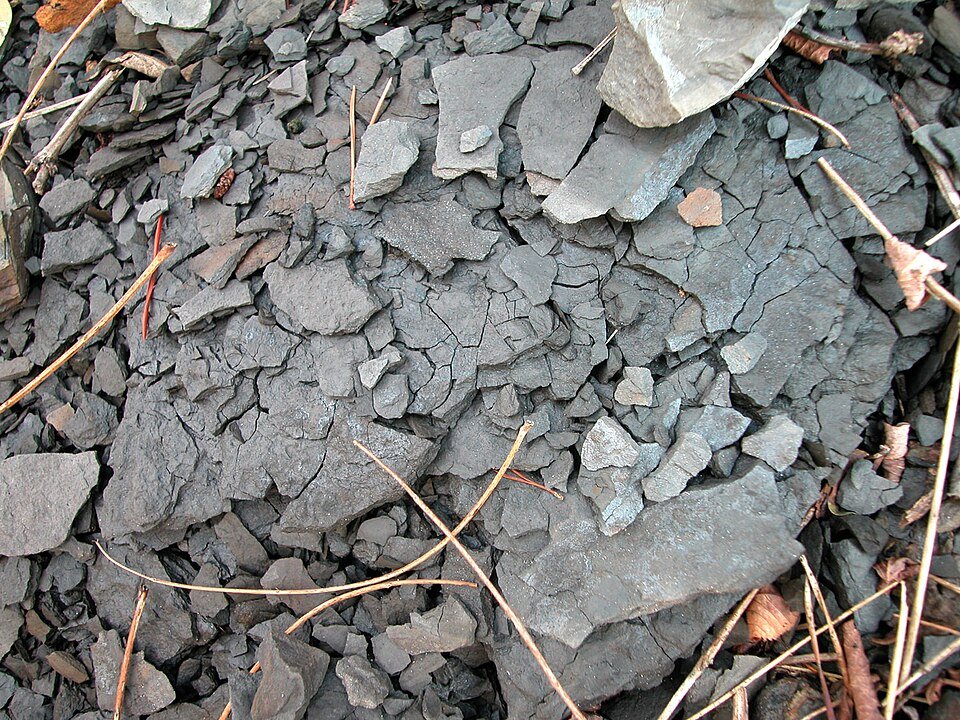
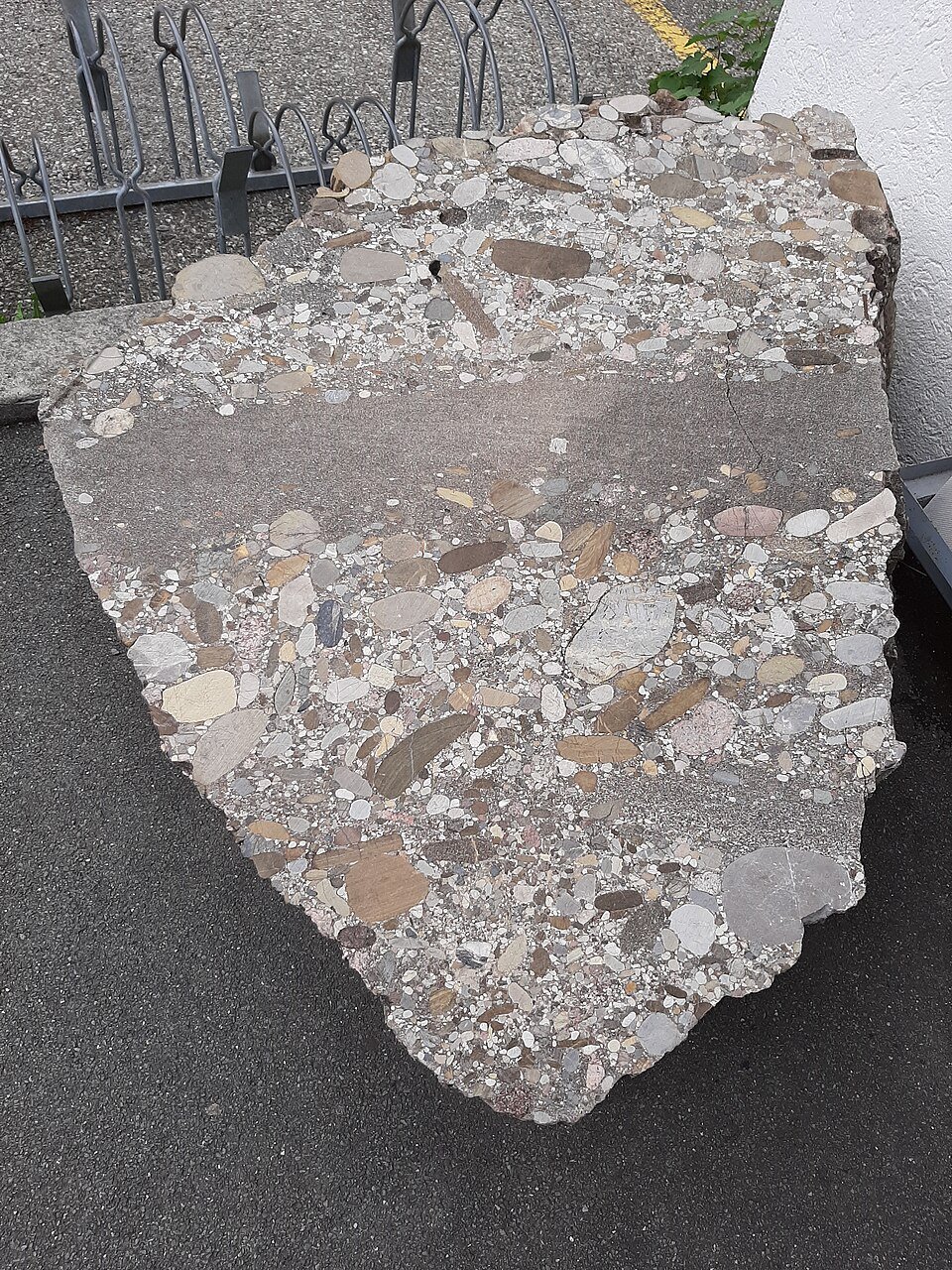
Compare the materials side by side.
Photographs are not shown to the same scale.
Sandstone ↗
Visibly grainy texture, feels gritty
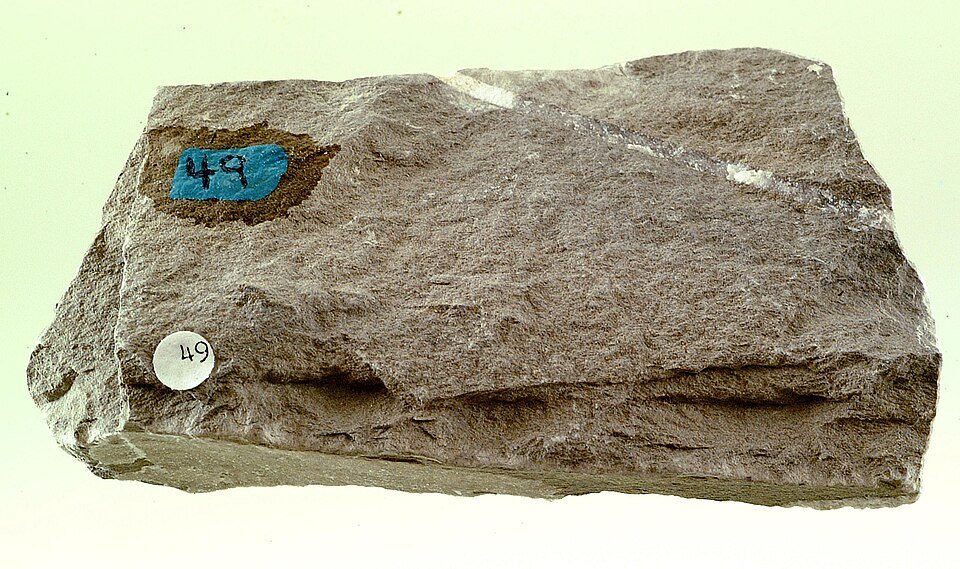
Siltstone ↗
Fine-grained, but with a slight gritty feel — finer than sandstone, coarser than shale
04 / Out in the world
Where it’s found.
Extremely widespread — river valleys, ancient beaches and deserts now uplifted into rock, much of the American Southwest's canyon and mesa country.
Continue exploring