Sedimentary rocks.
Small pieces. Extraordinary stories. Explore 12 members of this rock family.
Built by time.
Sedimentary rocks form at the Earth's surface, not from heat like igneous rock, but from the slow accumulation and compression of material over time. There are three ways this happens, and they produce genuinely different-looking rock:
Clastic sedimentary rocks form from broken fragments of other rocks — sand, silt, gravel — that get deposited (usually by water), buried, and compacted together, often with minerals crystallizing between the grains to cement them into solid rock. Sandstone is the classic example.
Chemical/biochemical sedimentary rocks form when minerals dissolved in water precipitate out and accumulate — sometimes with the help of living organisms building shells and skeletons out of those minerals. Limestone is the big one here.
Organic sedimentary rocks form from compressed plant or organic material. Coal is the main example.
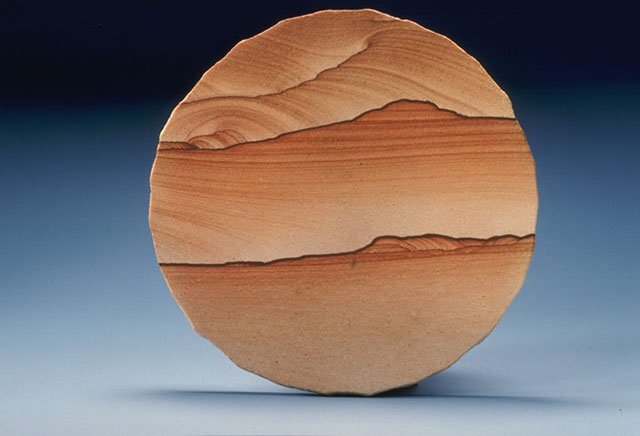
The thing that ties all sedimentary rock together, regardless of which path it took: it usually forms in layers, called strata, since material deposits over time in successive sheets. That layered look is often the fastest way to recognize a sedimentary rock in the field.
Meet the family.
12 specimensSandstone
Visibly grainy texture, feels gritty
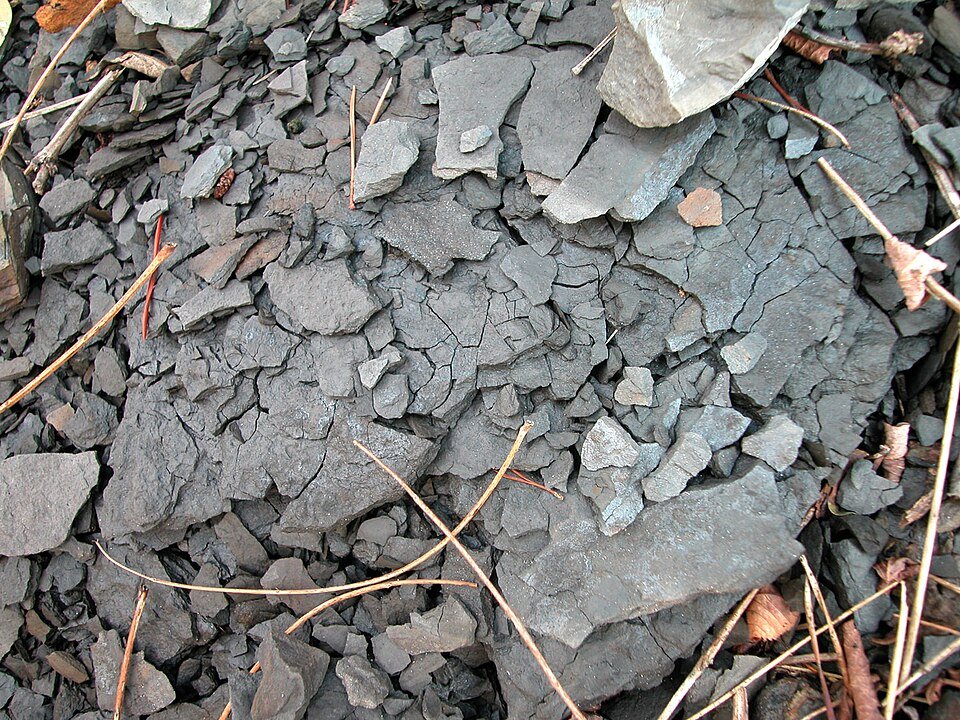
Shale
Very fine-grained, smooth to the touch
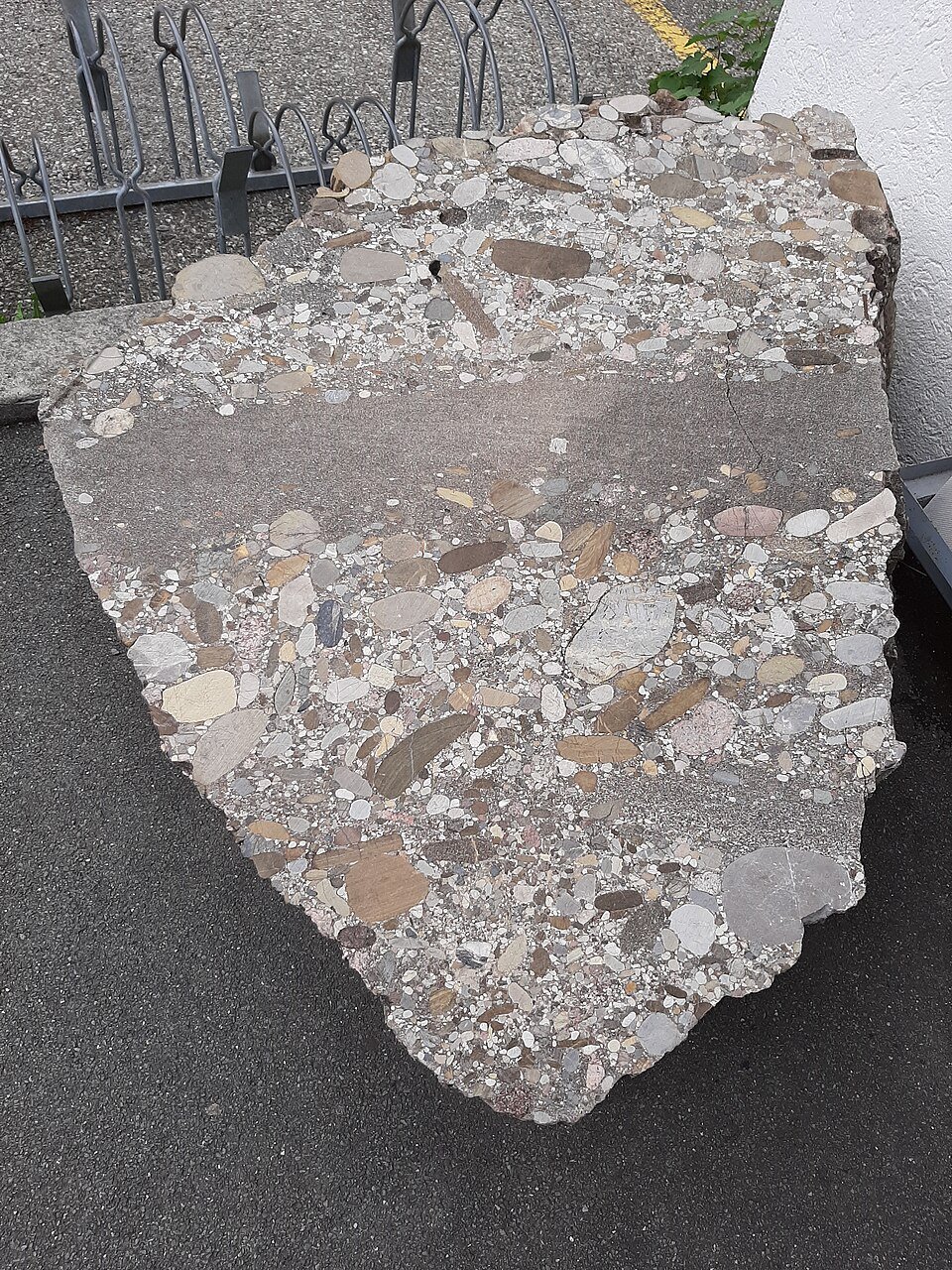
Conglomerate
Visibly made of rounded pebbles/clasts embedded in a finer matrix
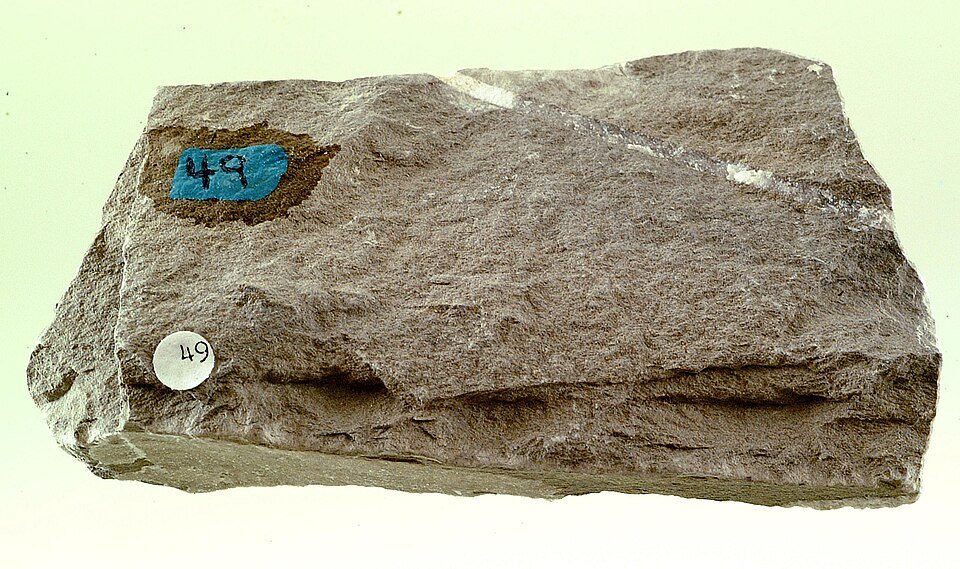
Siltstone
Fine-grained, but with a slight gritty feel — finer than sandstone, coarser than shale
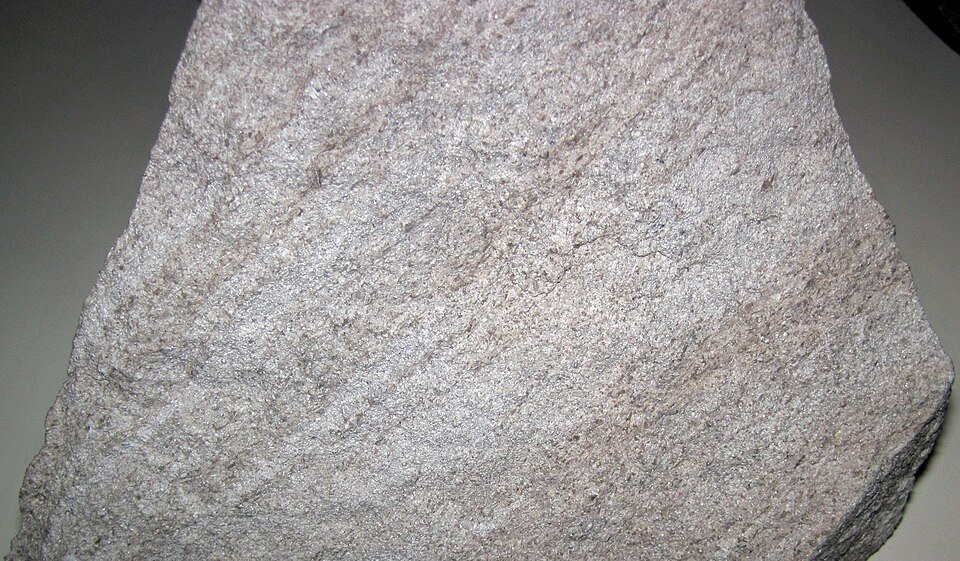
Limestone
Usually light-colored: white, gray, tan, sometimes yellowish
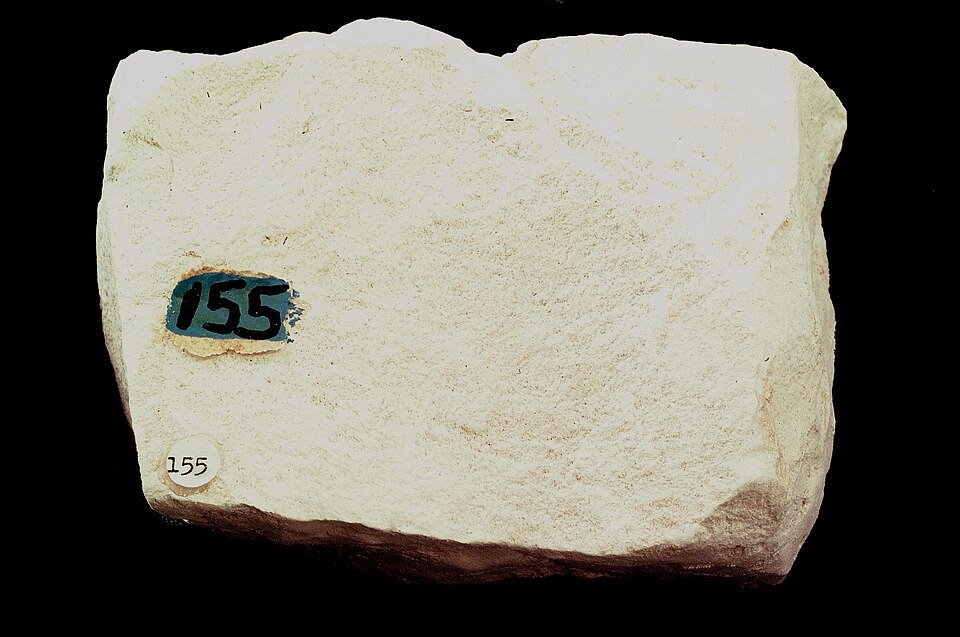
Chalk
Very soft, fine, powdery — easily scratched with a fingernail
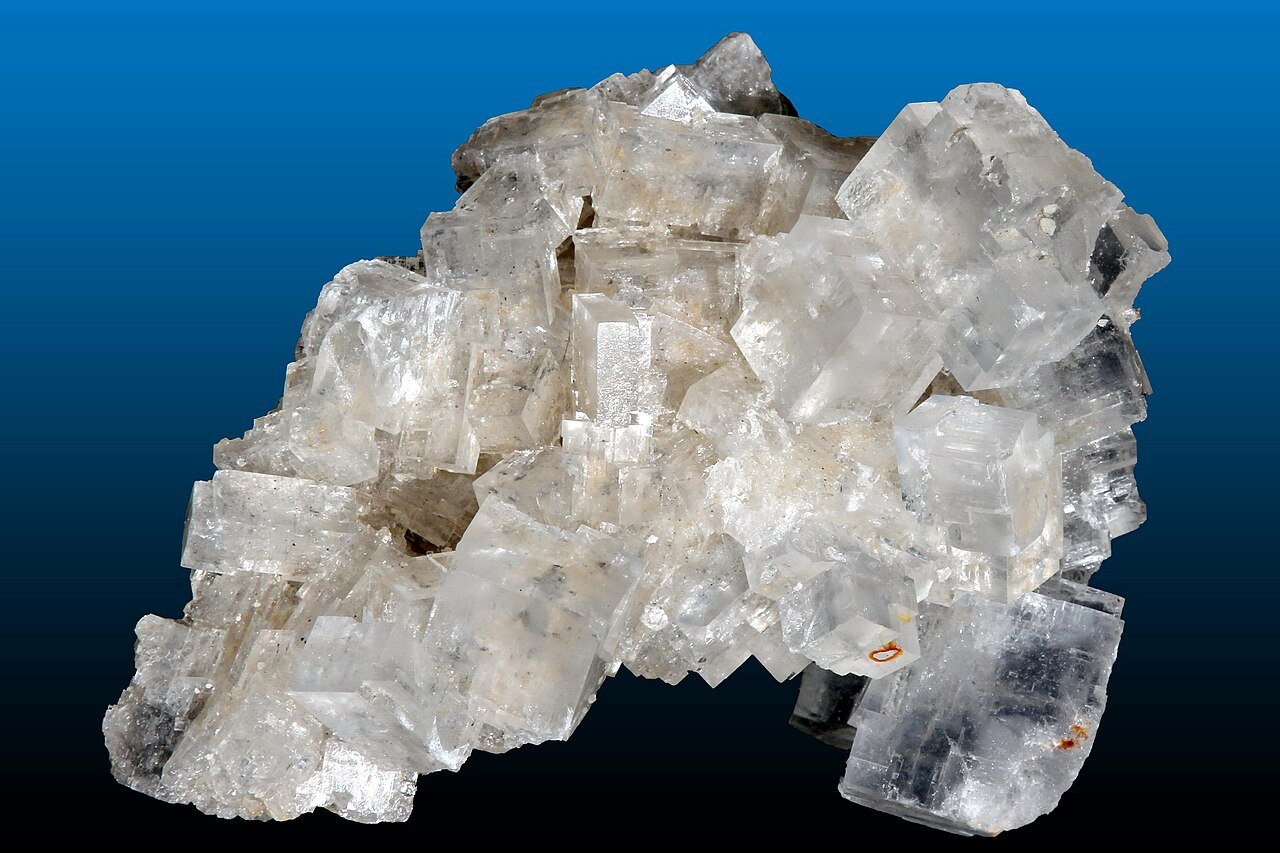
Rock Salt (halite)
Usually clear, white, or tinted pink/orange from impurities
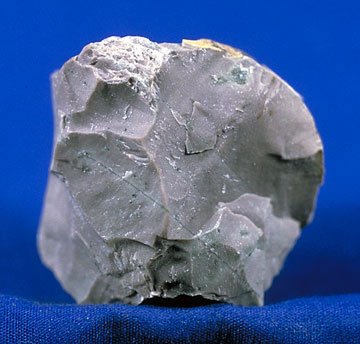
Chert
Very hard (7 on the Mohs scale, like quartz) — will scratch glass
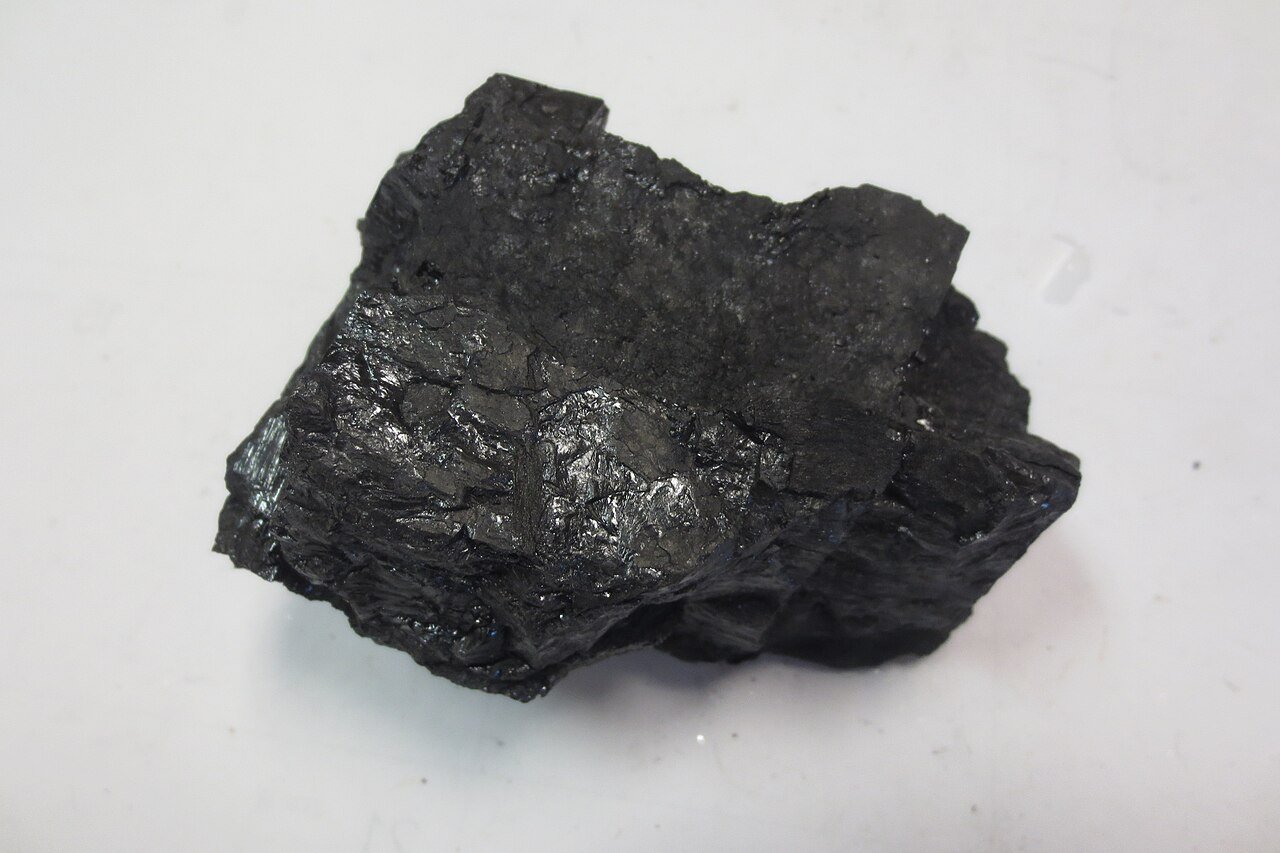
Coal
Black to dark brown
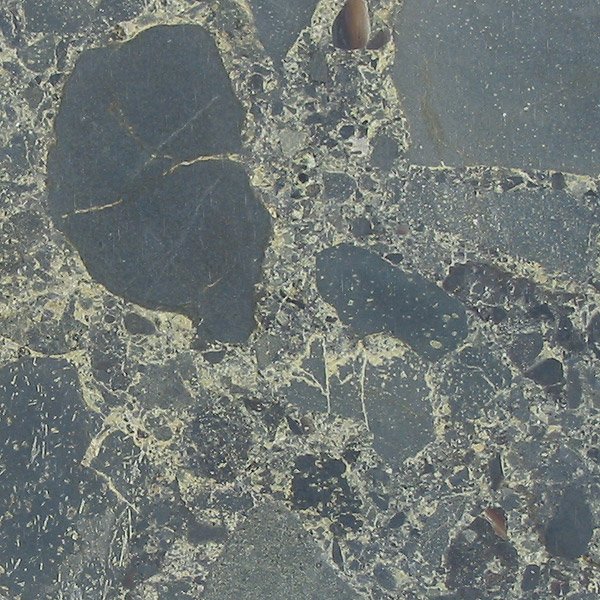
Breccia
Made of visibly angular (sharp-edged, not rounded) rock fragments set in a finer matrix

Dolostone
Similar appearance to limestone: light-colored, fine to medium-grained
Gypsum
Very soft — can be scratched with a fingernail (2 on the Mohs hardness scale, one of the softest common rock-forming minerals)