01 / Origin story
How does shale form?
Shale is a clastic sedimentary rock made of extremely fine mud and clay particles, deposited in calm water (lakes, river deltas, deep ocean) where the smallest particles have time to settle before compaction and cementation turn it to rock.
02 / Read the clues
How can you identify shale?
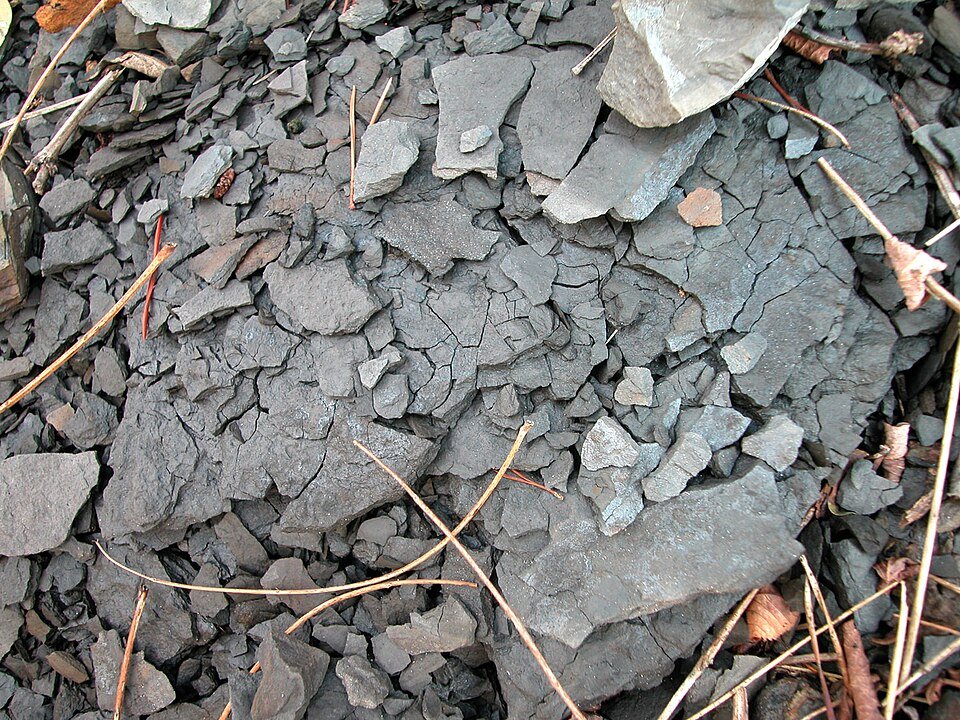
Use several clues together.
One photograph shows one specimen, not every variation.
- 01Very fine-grained, smooth to the touch
- 02Splits easily into thin, flat layers (fissile) — this is its most distinctive trait
- 03Usually gray, black, or brown, sometimes reddish
- 04Often contains fossils, since calm, low-oxygen mud environments preserve them well
03 / Commonly confused with
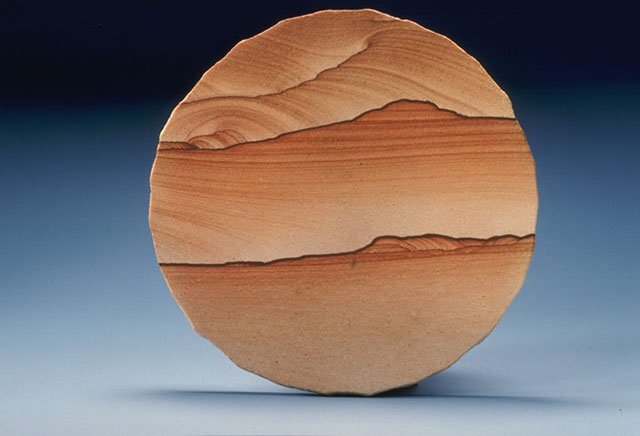
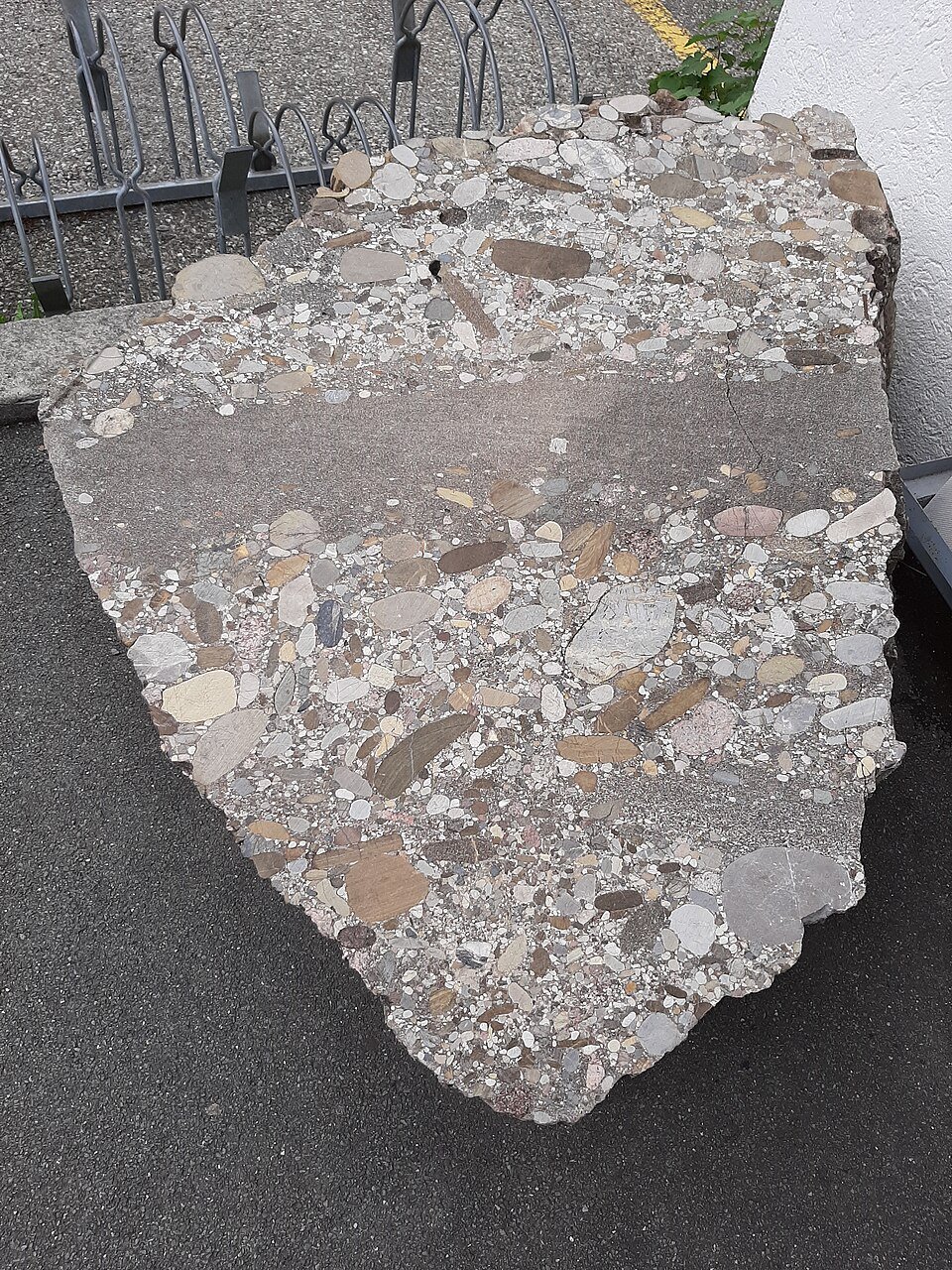
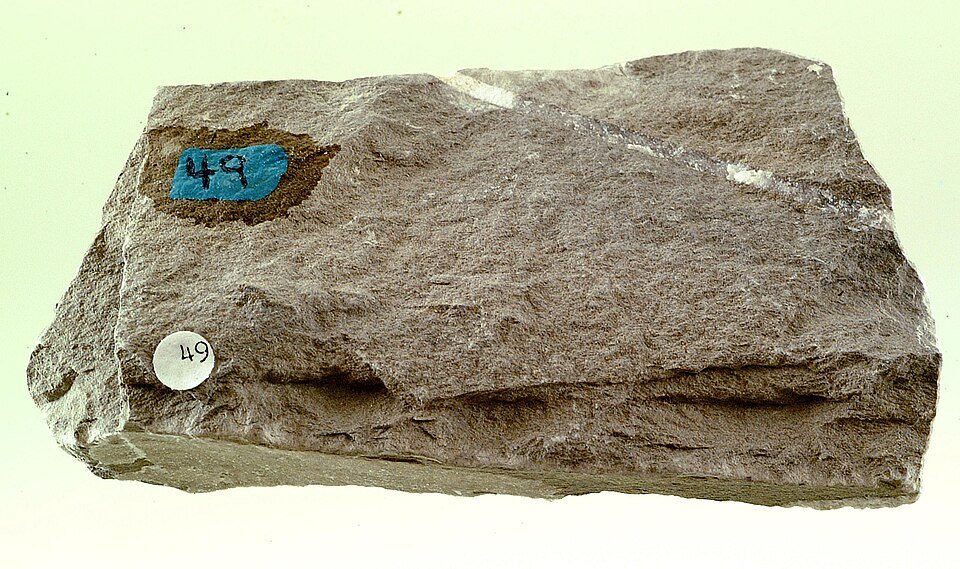
Similar at first glance.
Compare the materials side by side.
Photographs are not shown to the same scale.
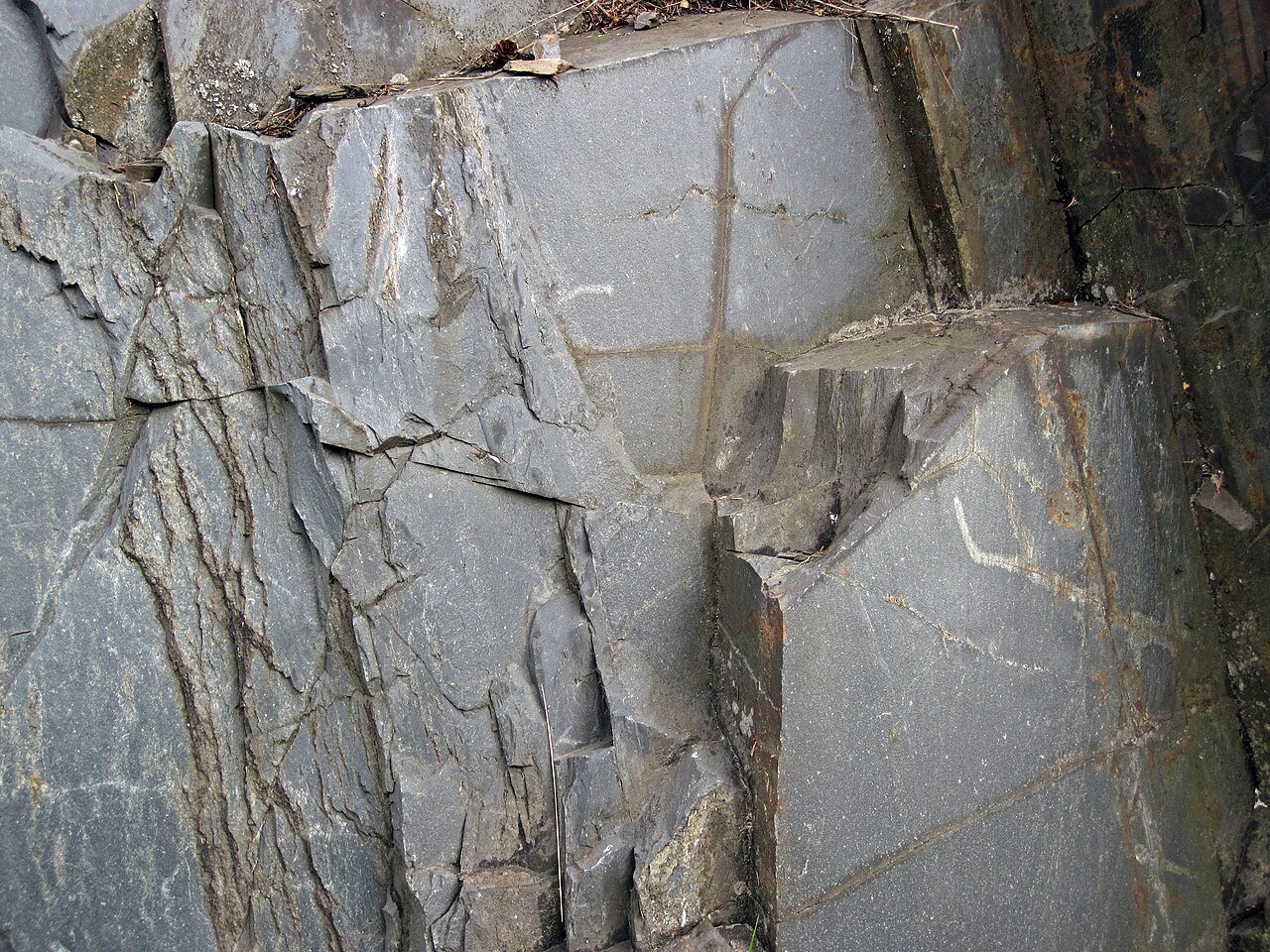
04 / Out in the world
Where it’s found.
Extremely common — ancient lakebeds, river deltas, and ocean floor deposits now exposed on land; a major source rock for oil and natural gas.
Continue exploring