01 / Origin story
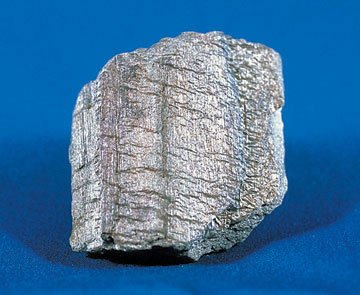
How does phyllite form?
02 / Read the clues
How can you identify phyllite?
Use several clues together.
One photograph shows one specimen, not every variation.
03 / Commonly confused with
Similar at first glance.
Compare the materials side by side.
Photographs are not shown to the same scale.
Phyllite ↗
Distinctive silky/satiny sheen (from the small aligned mica crystals) — this is the fastest way to identify it
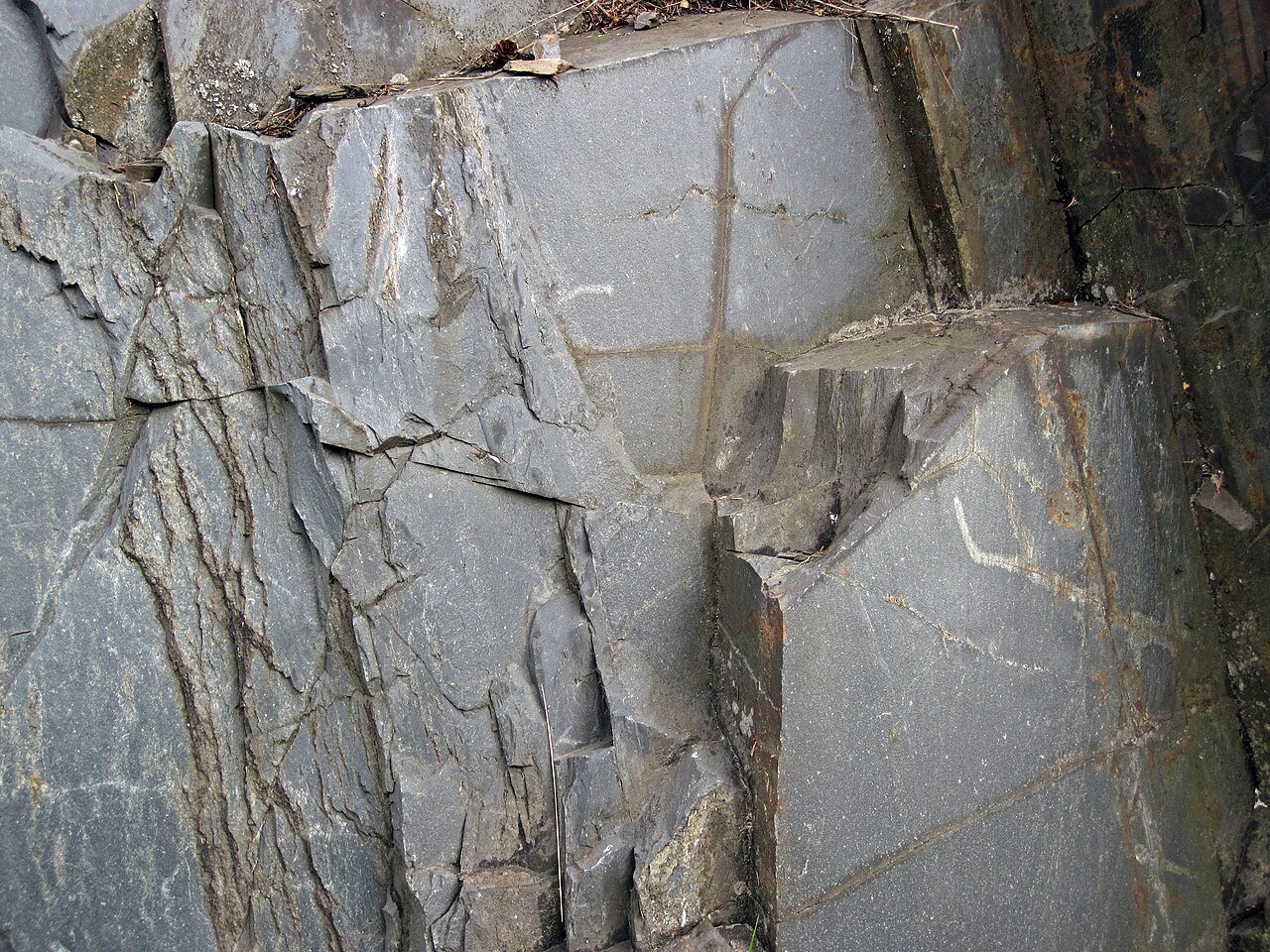
Slate ↗
Splits into thin, flat, smooth sheets — even more cleanly than the shale it came from
04 / Out in the world
Where it’s found.
Same general regions as slate, representing slightly more intensely metamorphosed zones within the same mountain belts.
Continue exploring
More from this family.
Slate
Splits into thin, flat, smooth sheets — even more cleanly than the shale it came from
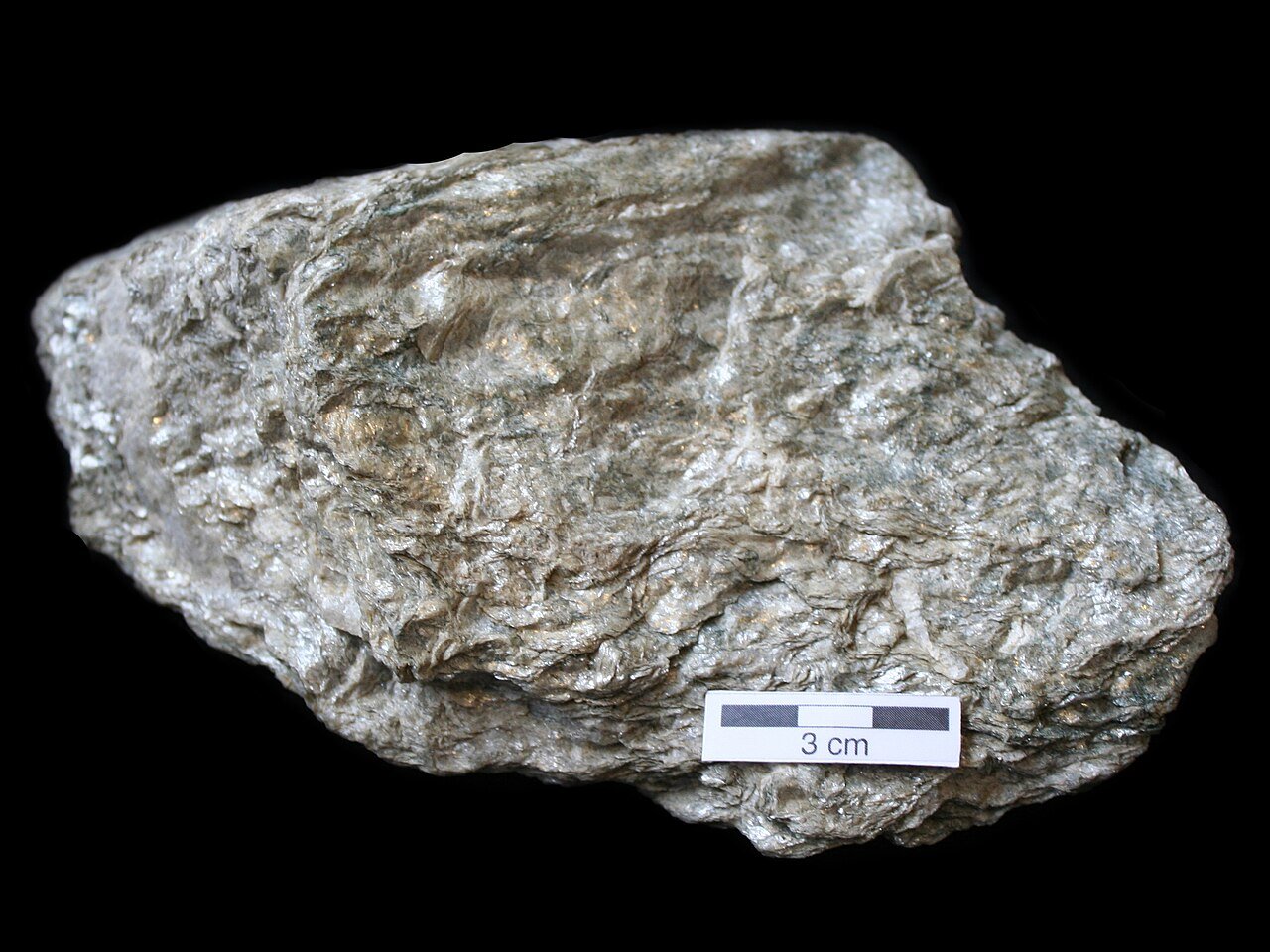
Schist
Visible, large, sparkly mica flakes (or other platy minerals) aligned in wavy layers
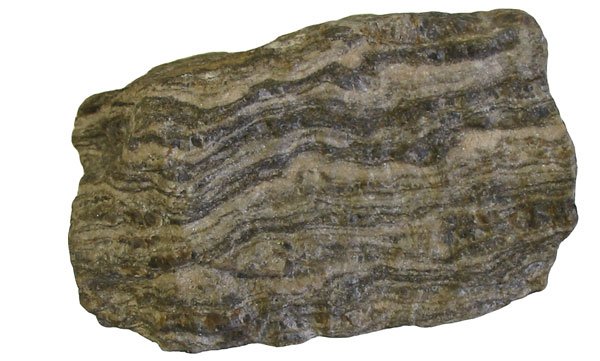
Gneiss
Bold, coarse banding, alternating light (quartz/feldspar) and dark (mica/hornblende) layers