Metamorphic / Specimen 03

Schist.

How to identify it

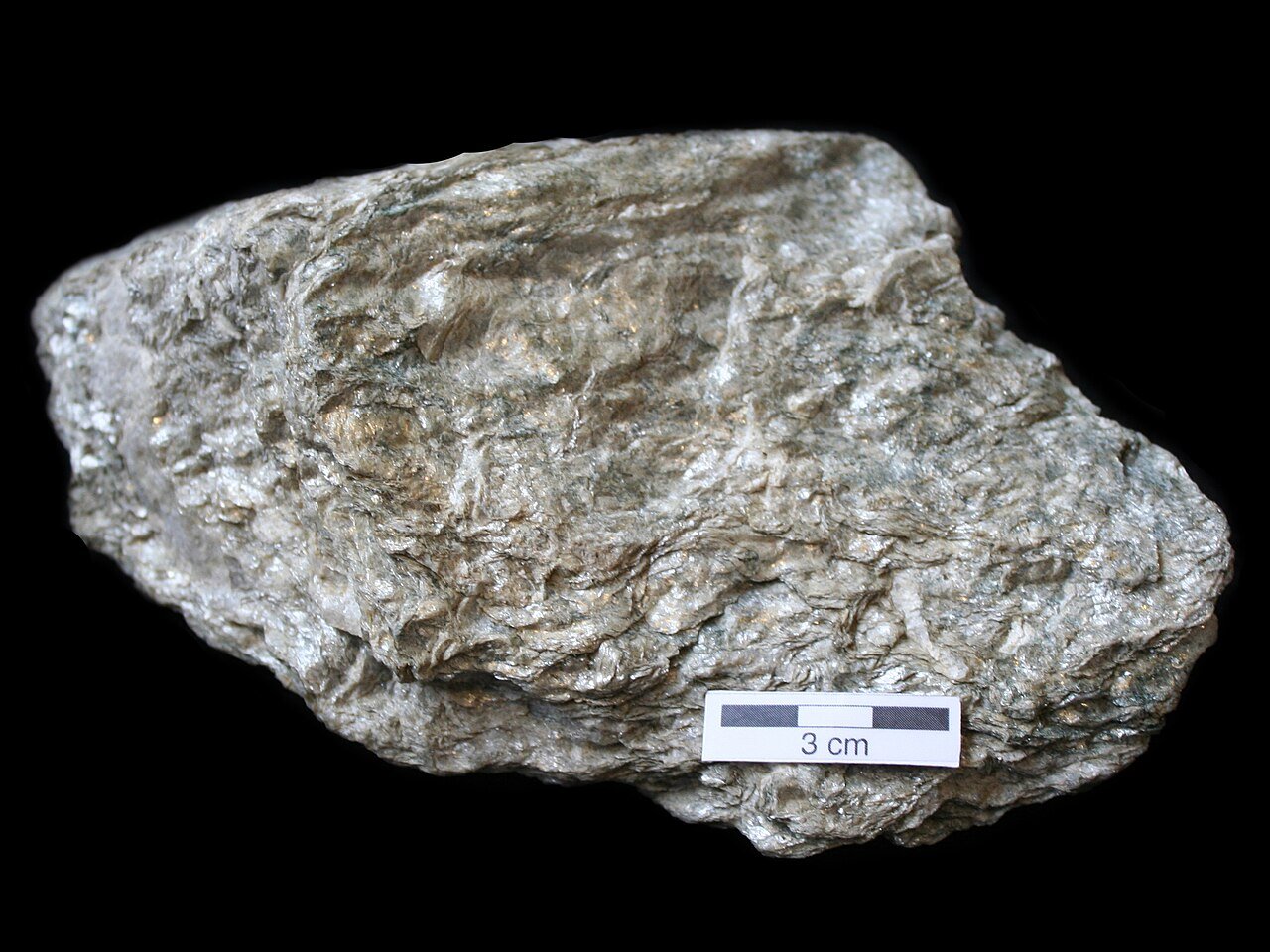
Visible, large, sparkly mica flakes (or other platy minerals) aligned in wavy layers

Explore the metamorphic family ↗
Schist with visible shiny mineral flakes and wavy layering
Michael C. Rygel · CC BY-SA 3.0 · Image source ↗
01 / Origin story

How does schist form?

Schist is a foliated metamorphic rock formed under still higher heat and pressure than phyllite — enough for mica and other platy minerals to grow large enough to see individually, not just as a sheen.

02 / Read the clues

How can you identify schist?

Use several clues together.
One photograph shows one specimen, not every variation.

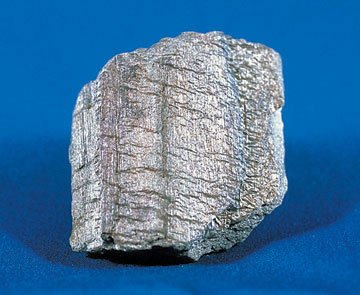
Enlarged crop of the Schist specimen
Texture study · enlarged crop of this specimen
  1. 01Visible, large, sparkly mica flakes (or other platy minerals) aligned in wavy layers
  2. 02Coarser and glitterier than phyllite — genuinely sparkles in light
  3. 03Can contain distinctive large individual crystals (garnet is common) embedded in the foliated matrix
03 / Commonly confused with

Similar at first glance.

Compare the materials side by side.
Photographs are not shown to the same scale.

Schist specimen for comparison

Schist ↗

Visible, large, sparkly mica flakes (or other platy minerals) aligned in wavy layers

Phyllite specimen for comparison

Phyllite ↗

Distinctive silky/satiny sheen (from the small aligned mica crystals) — this is the fastest way to identify it
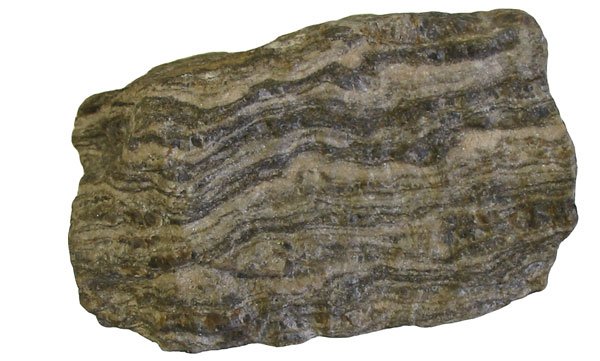
Phylliteschist's mica crystals are big enough to see and feel individually; phyllite's are too small, just giving an overall sheen.

04 / Out in the world

Where it’s found.

Deeply metamorphosed mountain belt cores — common throughout the Appalachians, the Rockies, and other major orogenic zones.

Continue exploring

More from this family.