Igneous / Specimen 09

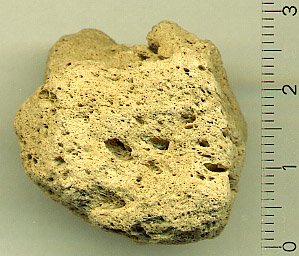
Pumice.

How to identify it

Extremely light, full of visible air pockets/holes (vesicles)

Explore the igneous family ↗
Pale pumice specimen filled with numerous small holes
User MPF on en.wikipedia · CC BY-SA 3.0 · Image source ↗
01 / Origin story

How does pumice form?

Pumice forms when gas-rich, silica-rich lava erupts explosively and depressurizes so fast that the gas escapes violently, leaving the cooling rock riddled with bubble holes — essentially frozen lava foam.

02 / Read the clues

How can you identify pumice?

Use several clues together.
One photograph shows one specimen, not every variation.

Enlarged crop of the Pumice specimen
Texture study · enlarged crop of this specimen
  1. 01Extremely light, full of visible air pockets/holes (vesicles)
  2. 02Light-colored: white, gray, or tan
  3. 03Light enough to float on water — one of the only rocks that does
03 / Commonly confused with

Similar at first glance.

Compare the materials side by side.
Photographs are not shown to the same scale.
Pumice specimen for comparison

Pumice ↗

Extremely light, full of visible air pockets/holes (vesicles)

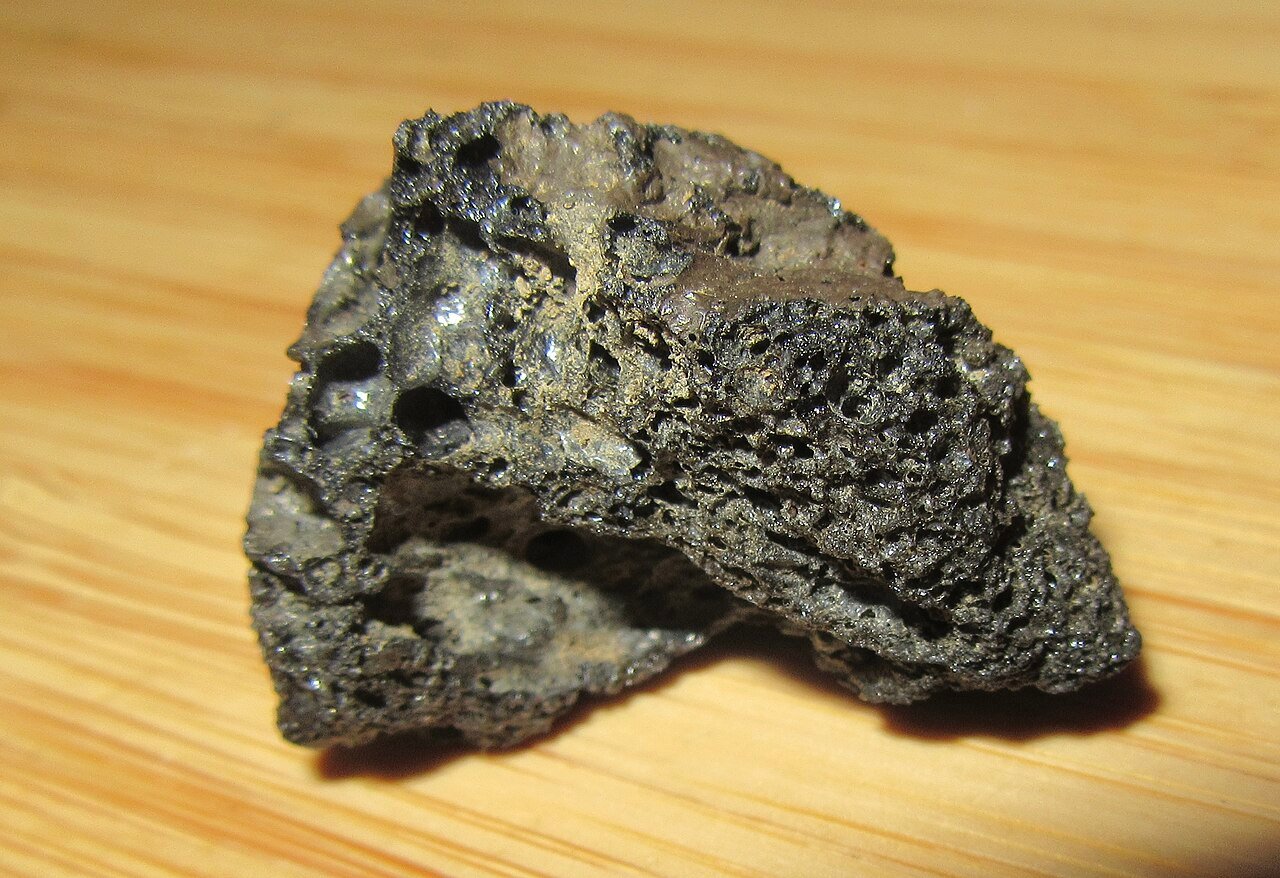
Scoria specimen for comparison

Scoria ↗

Full of visible holes (vesicles), similar to pumice

Scoria — a similar bubbly volcanic rock, but scoria is darker (basaltic composition) and denser, with larger, less-tightly-packed holes, and doesn't float.

04 / Out in the world

Where it’s found.

Explosive volcanic eruptions, especially rhyolitic/andesitic ones — common around the Pacific Ring of Fire, and often washes up on beaches after eruptions since it floats.

Continue exploring
More from this family.