01 / Origin story
How does rhyolite form?
02 / Read the clues
How can you identify rhyolite?
Use several clues together.
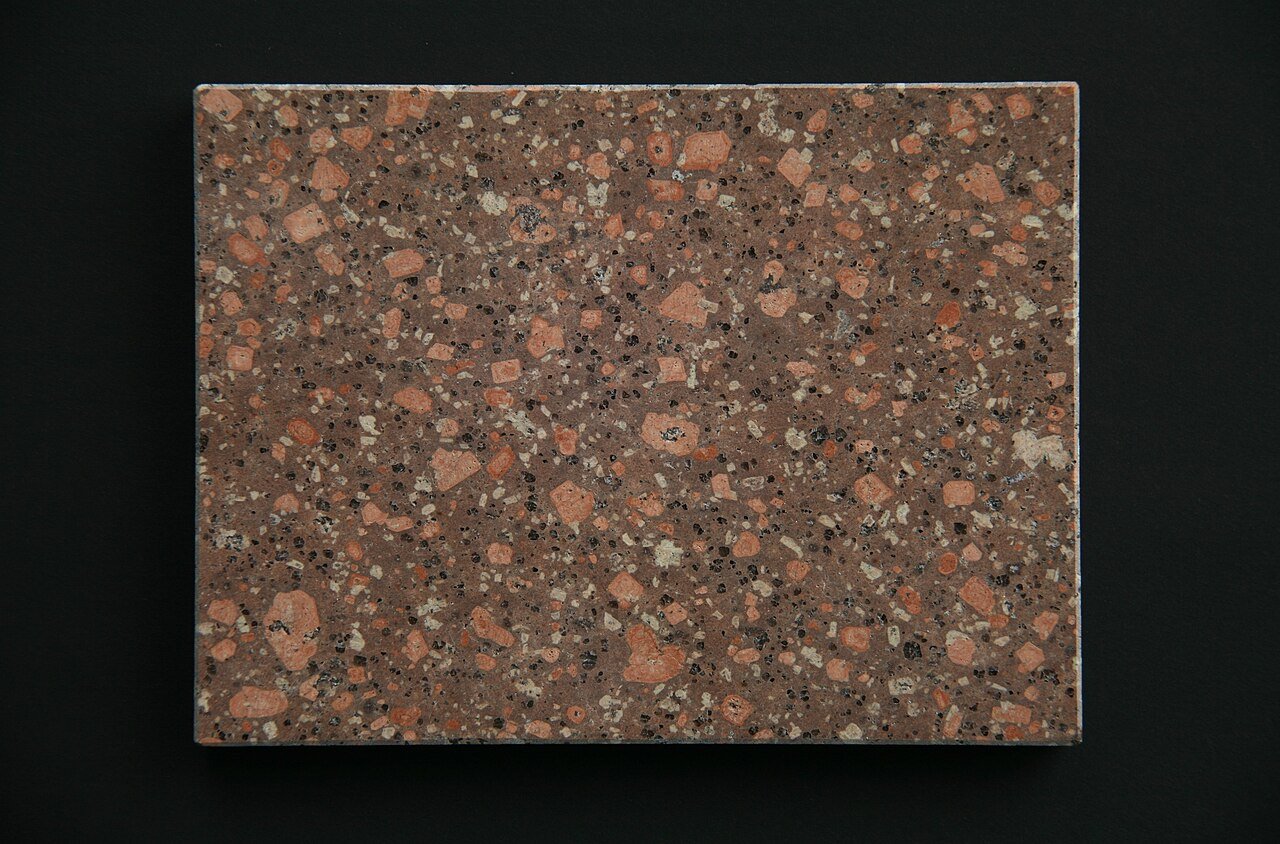
One photograph shows one specimen, not every variation.
- 01Fine-grained, sometimes with a few larger crystals scattered in a fine matrix
- 02Light-colored: pink, tan, gray, or reddish
- 03Often shows flow banding — streaky lines from the lava's movement as it cooled
03 / Commonly confused with
Similar at first glance.
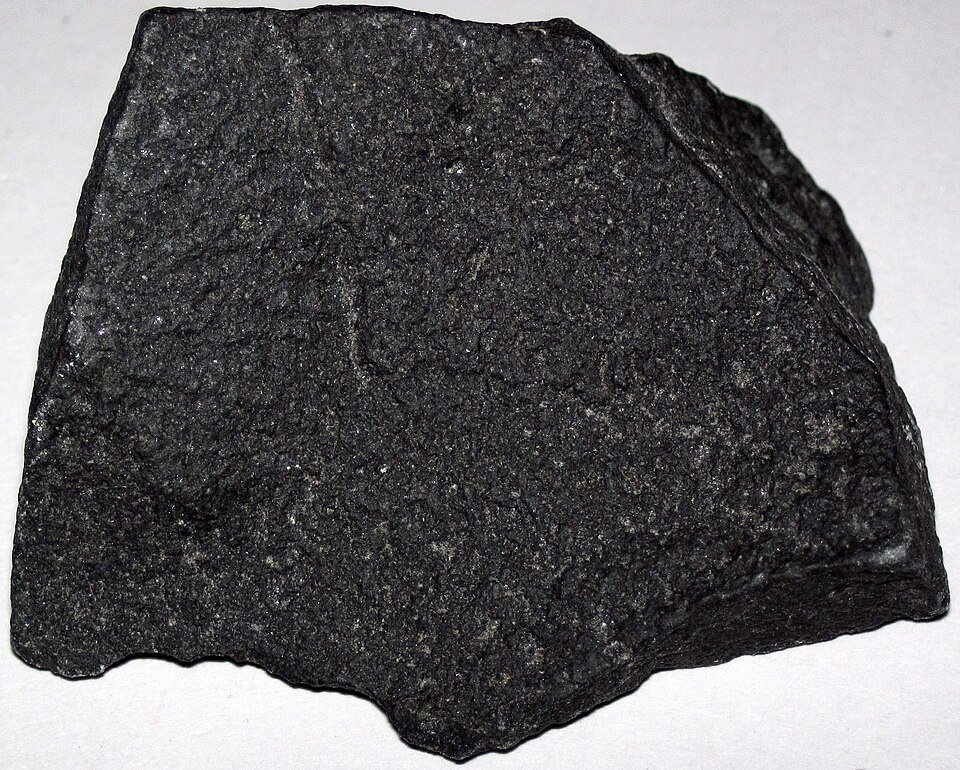
Compare the materials side by side.
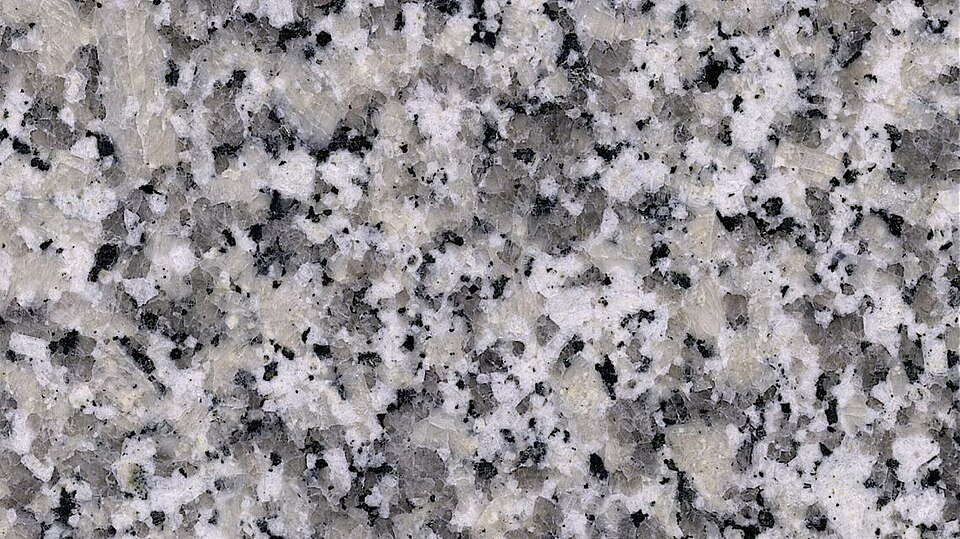
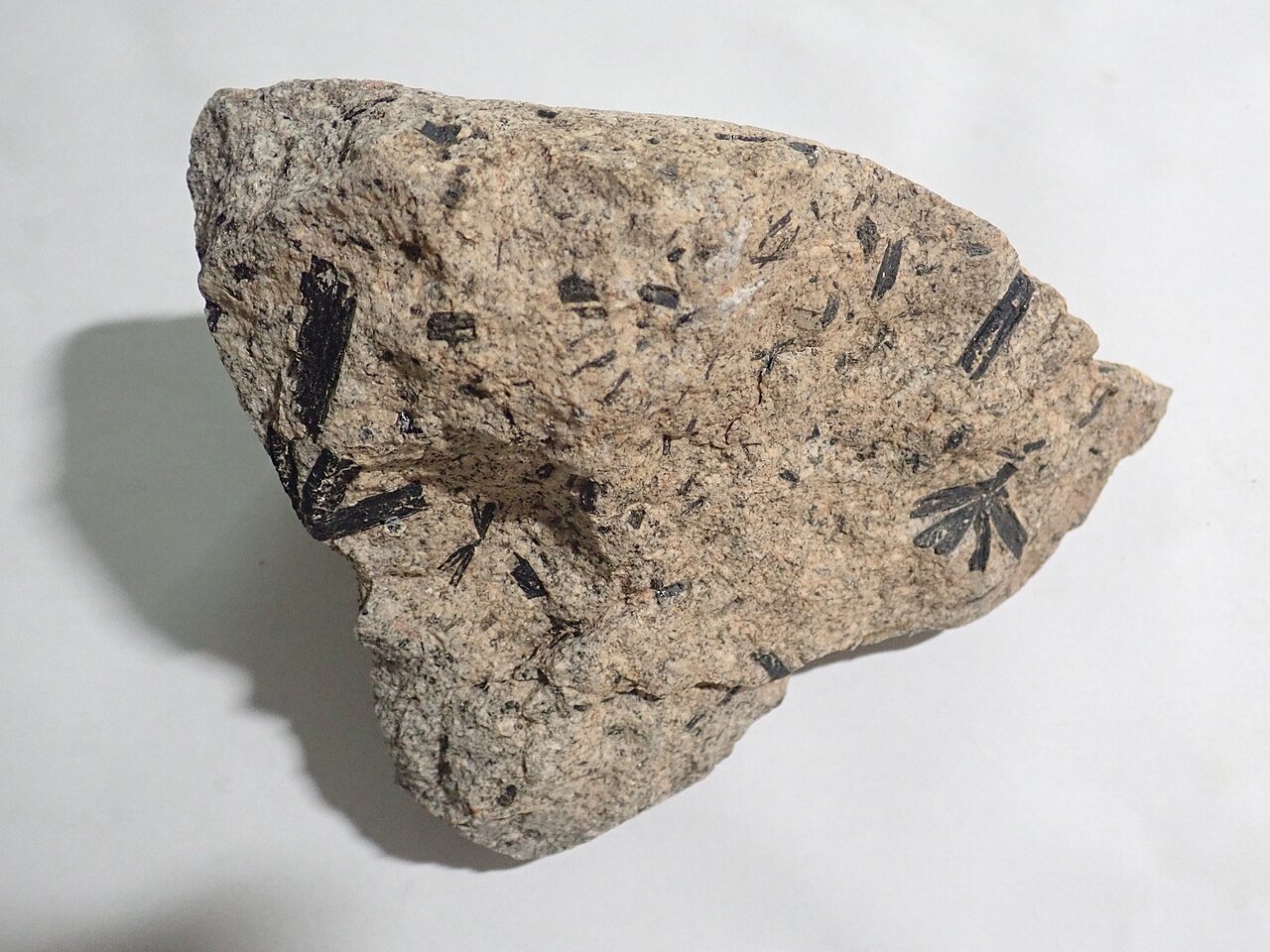
Photographs are not shown to the same scale.
Rhyolite ↗
Fine-grained, sometimes with a few larger crystals scattered in a fine matrix
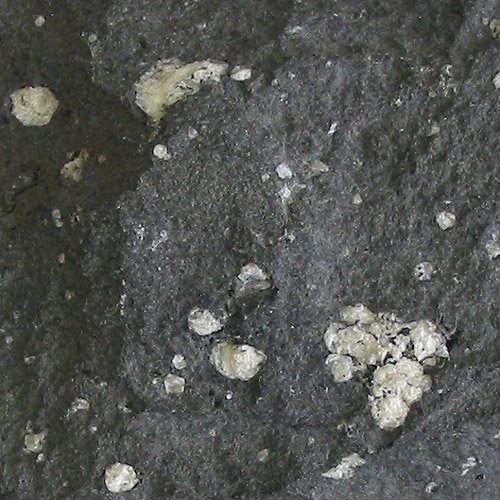
Andesite ↗
Fine-grained, medium gray to greenish-gray
Andesite — rhyolite is generally lighter/paler; andesite runs more gray-to-dark. When in doubt, rhyolite's flow banding is a good tell.
04 / Out in the world
Where it’s found.
Continue exploring