Sedimentary / Specimen 07

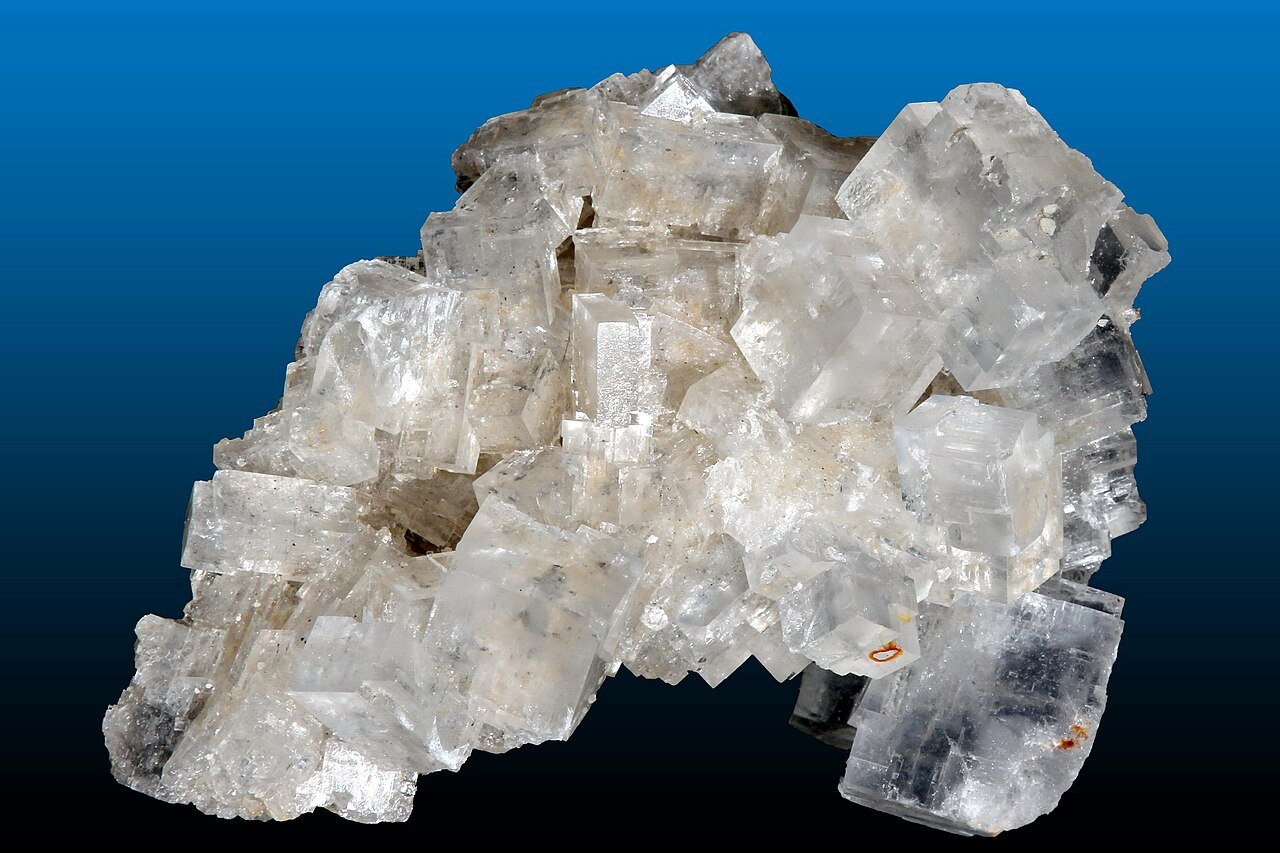
Rock Salt (halite).

How to identify it

Usually clear, white, or tinted pink/orange from impurities
Explore the sedimentary family ↗
Halite with transparent to white blocky crystals
Lech Darski · CC BY-SA 4.0 · Image source ↗
01 / Origin story

How does rock salt (halite) form?

Rock salt forms when a body of saltwater — typically an ancient sea or lake — evaporates completely, leaving the dissolved minerals behind to crystallize as solid rock. This is why it's sometimes called an "evaporite."

02 / Read the clues

How can you identify rock salt (halite)?

Use several clues together.
One photograph shows one specimen, not every variation.

Enlarged crop of the Rock Salt (halite) specimen
Texture study · enlarged crop of this specimen
  1. 01Usually clear, white, or tinted pink/orange from impurities
  2. 02Cubic crystal structure, sometimes visible as blocky, cube-shaped crystals
  3. 03Tastes salty (yes, taste is an actual legitimate identification method for this one)
  4. 04Very soft, dissolves in water
03 / Commonly confused with

Similar at first glance.

Compare the materials side by side.
Photographs are not shown to the same scale.

Rock Salt (halite) specimen for comparison

Rock Salt (halite) ↗

Usually clear, white, or tinted pink/orange from impurities

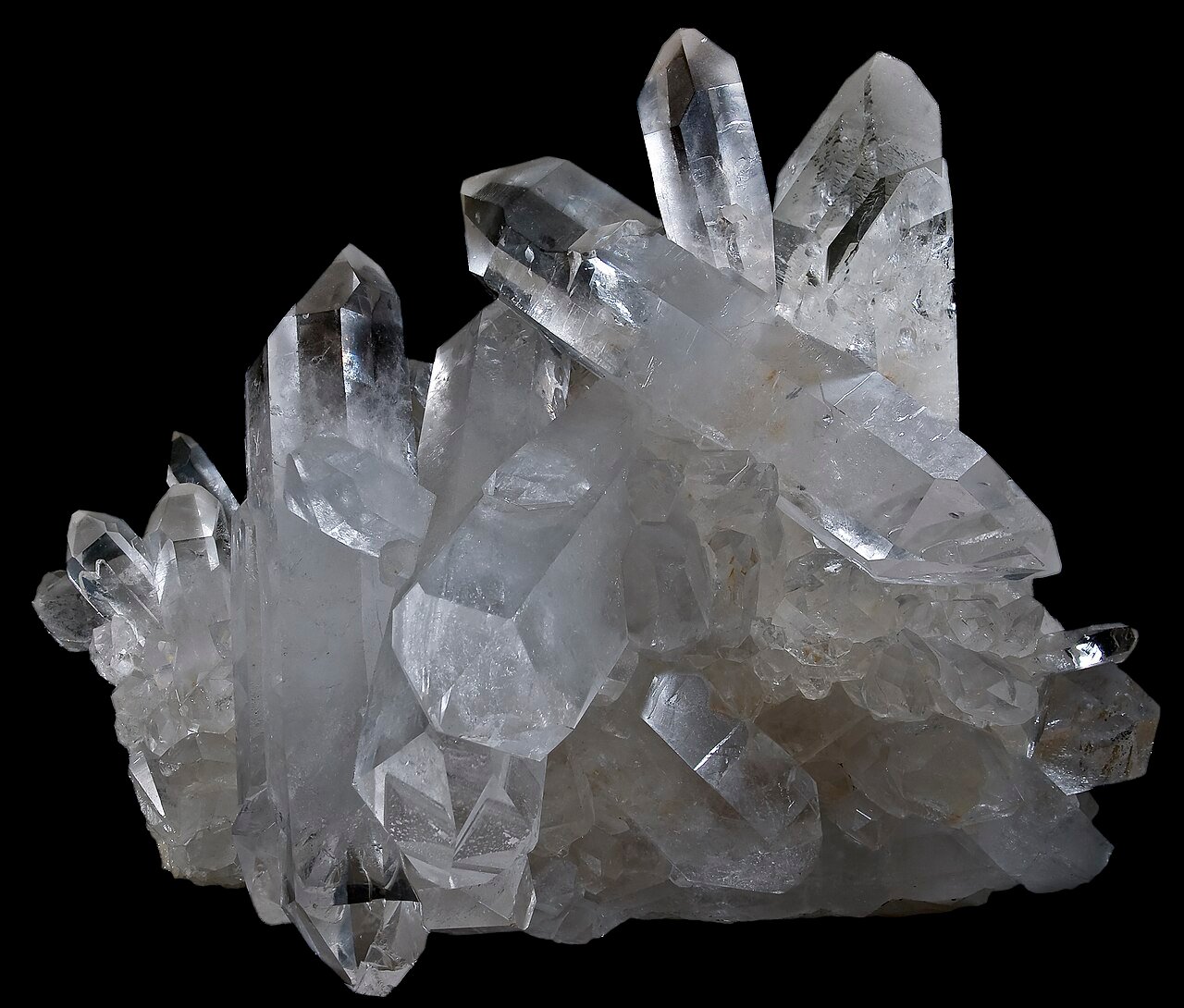
Quartz specimen for comparison

Quartz

One of the most common minerals in Earth's crust; hard (7 on the Mohs scale), often clear or white, glassy luster. A major ingredient in granite and rhyolite, and the sole ingredient of pure quartz sand.
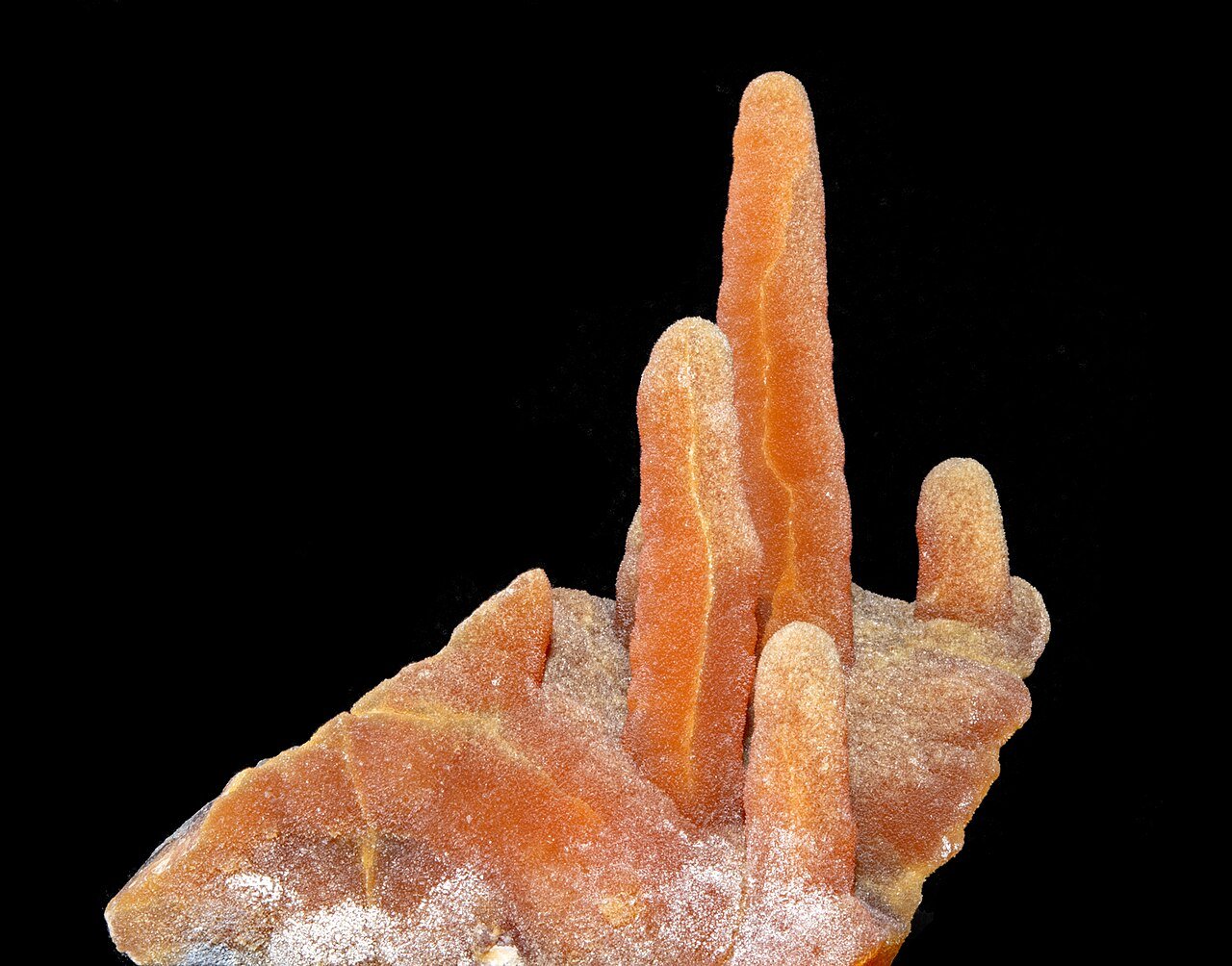
Calcite specimen for comparison

Calcite

A mineral mentioned as a look-alike in the rock salt profile.

Quartz or calcite, at a glance, but the taste test and the fact that it dissolves in water instantly rule those out.

04 / Out in the world

Where it’s found.

Ancient evaporated sea/lake basins — huge underground salt deposits under Michigan, Louisiana, and much of the American Southwest, often mined directly.

Continue exploring
More from this family.