01 / Origin story
How does chalk form?
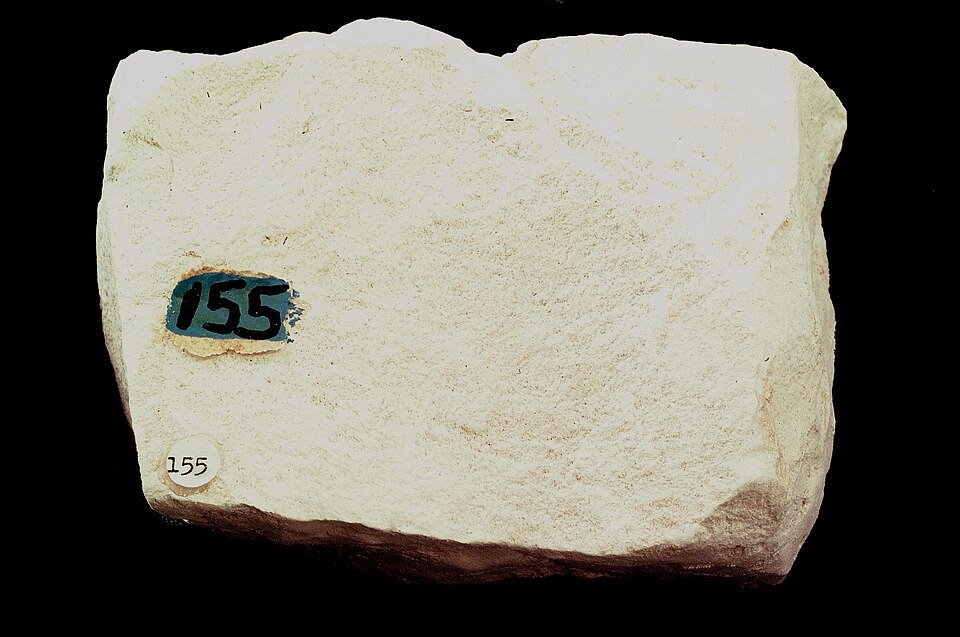
Chalk is a soft form of limestone made almost entirely from the microscopic calcite shells of ancient marine plankton (coccolithophores), accumulated in huge quantities on ancient sea floors.
02 / Read the clues
How can you identify chalk?
Use several clues together.
One photograph shows one specimen, not every variation.
03 / Commonly confused with
Similar at first glance.
Compare the materials side by side.
Photographs are not shown to the same scale.
Chalk ↗
Very soft, fine, powdery — easily scratched with a fingernail
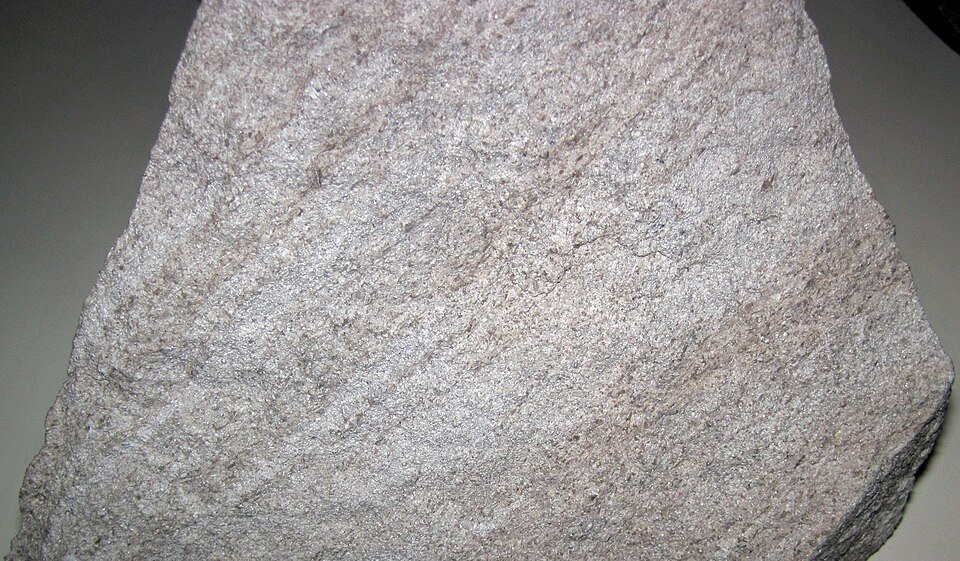
Limestone ↗
Usually light-colored: white, gray, tan, sometimes yellowish
04 / Out in the world
Where it’s found.
The White Cliffs of Dover are the most famous example; similar deposits exist in parts of the central and southern U.S.
Continue exploring