01 / Origin story
How does dolostone form?
02 / Read the clues
How can you identify dolostone?
Use several clues together.
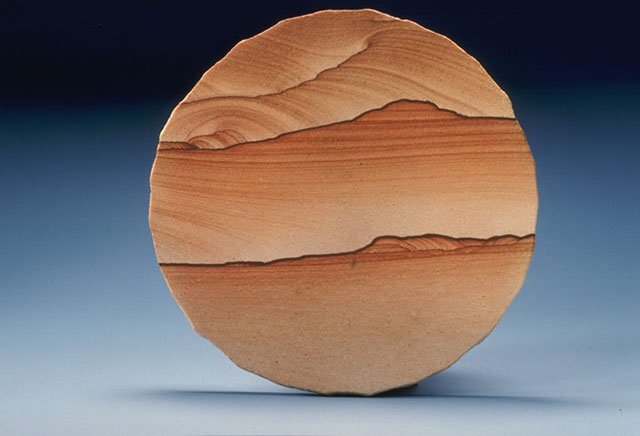
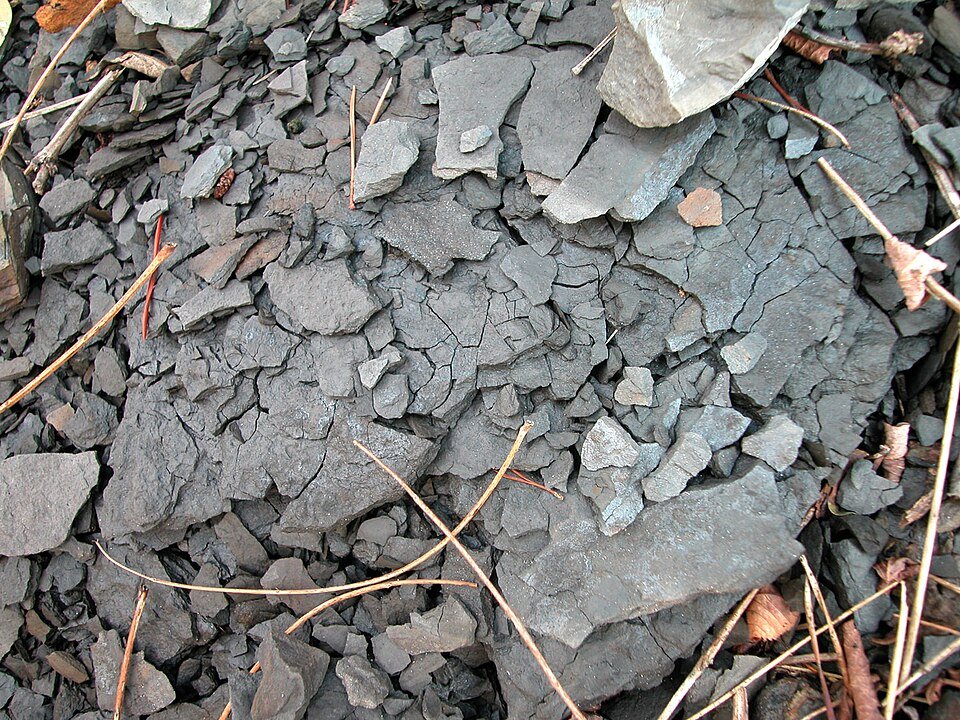
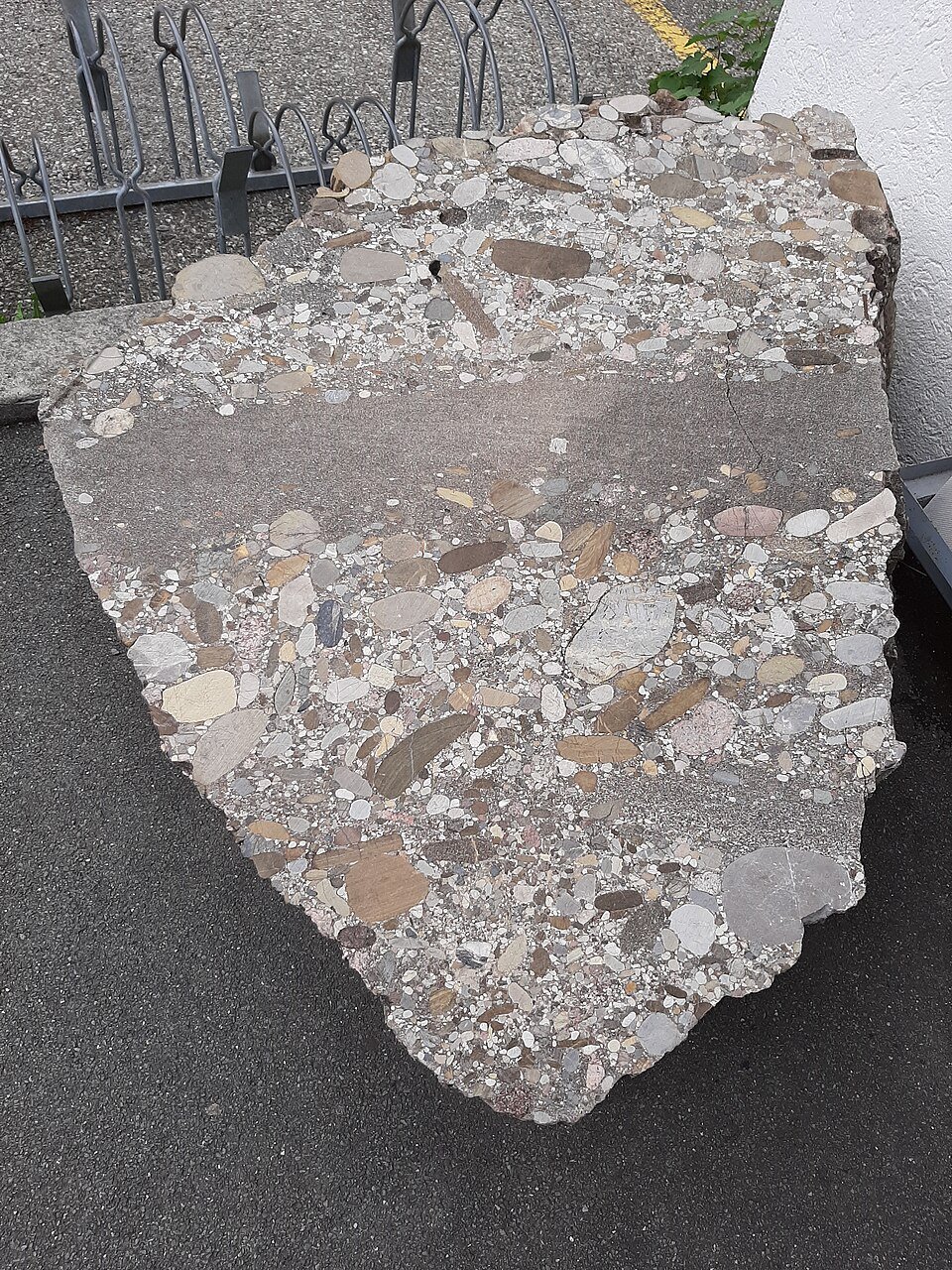
One photograph shows one specimen, not every variation.
- 01Similar appearance to limestone: light-colored, fine to medium-grained
- 02Reacts with acid much more weakly than limestone — a drop of dilute acid barely fizzes on solid dolostone, though it will fizz normally once powdered (a genuinely useful field test to tell the two apart)
- 03Slightly harder than limestone
03 / Commonly confused with
Similar at first glance.
Compare the materials side by side.
Photographs are not shown to the same scale.
Dolostone ↗
Similar appearance to limestone: light-colored, fine to medium-grained
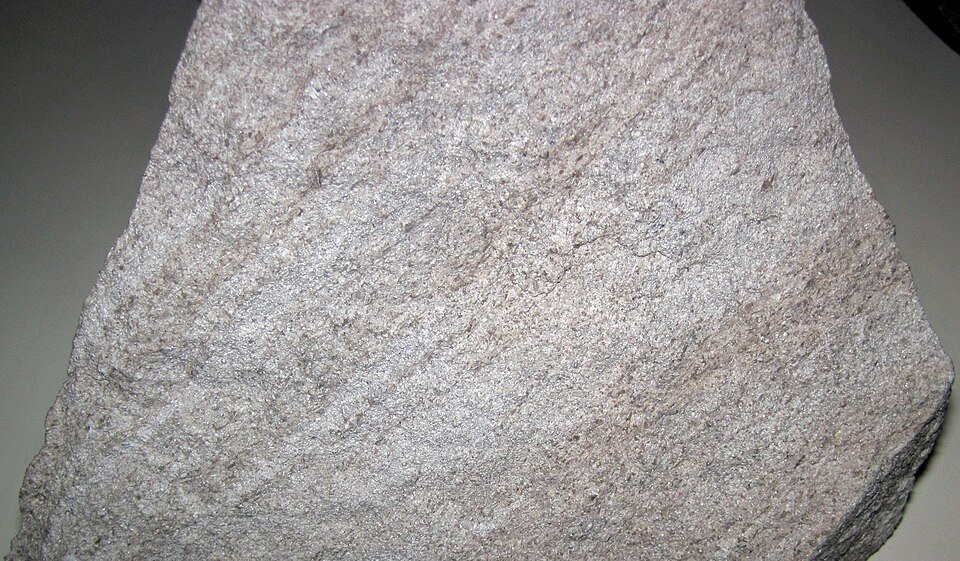
Limestone ↗
Usually light-colored: white, gray, tan, sometimes yellowish
Limestone — visually near-identical; the weak-vs-strong acid reaction is the standard way geologists tell them apart in the field.
04 / Out in the world
Where it’s found.
Widespread alongside limestone deposits worldwide — the Dolomite mountains of northern Italy are named for, and largely made of, exactly this rock.
Continue exploring