Igneous / Specimen 12

Tuff.

How to identify it

Fragmental, often visibly made of compacted ash and small rock/pumice fragments

Explore the igneous family ↗
Tuff rock specimen
James St. John · CC BY 2.0 · Image source ↗
01 / Origin story

How does tuff form?

Tuff is an igneous rock formed not from a lava flow, but from volcanic ash and fragments ejected explosively during an eruption, which then settle and compact (or, in a hot enough eruption, weld together) into solid rock.

02 / Read the clues

How can you identify tuff?

Use several clues together.
One photograph shows one specimen, not every variation.

Enlarged crop of the Tuff specimen
Texture study · enlarged crop of this specimen
  1. 01Fragmental, often visibly made of compacted ash and small rock/pumice fragments
  2. 02Lightweight, sometimes soft enough to carve
  3. 03Highly variable color: white, gray, tan, pink, depending on the source magma
  4. 04Sometimes shows visible flattened, streaky fragments (in welded tuff, where the ash was still hot enough to fuse together on landing)
03 / Commonly confused with

Similar at first glance.

Compare the materials side by side.
Photographs are not shown to the same scale.
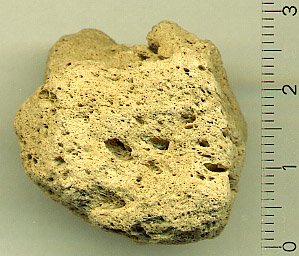
Tuff specimen for comparison

Tuff ↗

Fragmental, often visibly made of compacted ash and small rock/pumice fragments

Pumice specimen for comparison

Pumice ↗

Extremely light, full of visible air pockets/holes (vesicles)

Pumice — both are light and full of texture from volcanic gas/fragments, but pumice is a single solidified piece of frothy lava, while tuff is made of many separate compacted ash particles and fragments.

04 / Out in the world

Where it’s found.

Around explosive volcanic eruptions worldwide — notably widespread across the American Southwest and in volcanic regions of Italy, where it's been quarried as a building stone since Roman times.

Continue exploring

More from this family.