The rock collection.
Explore 34 rocks by how they form, what they look like, and the clues that set them apart.
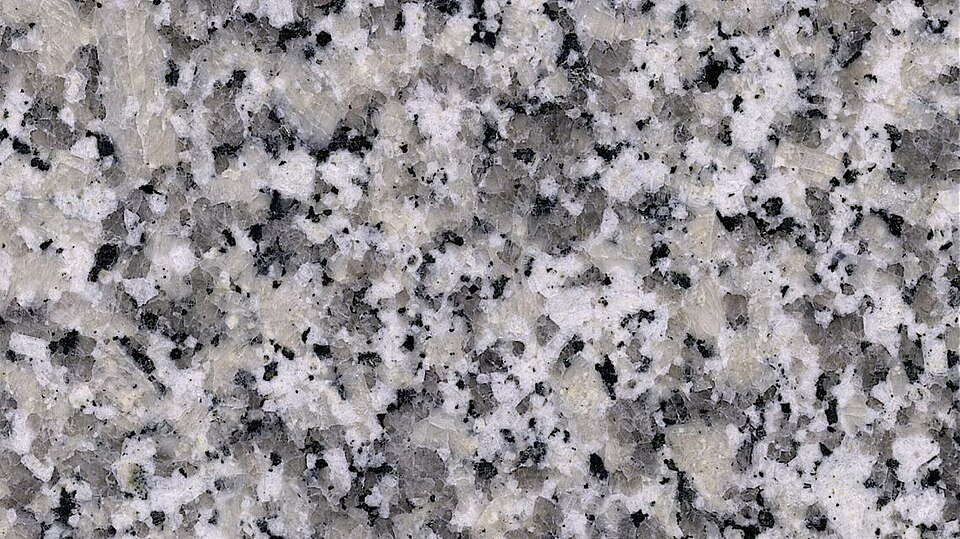
Granite
Coarse-grained — individual mineral crystals are visible to the naked eye
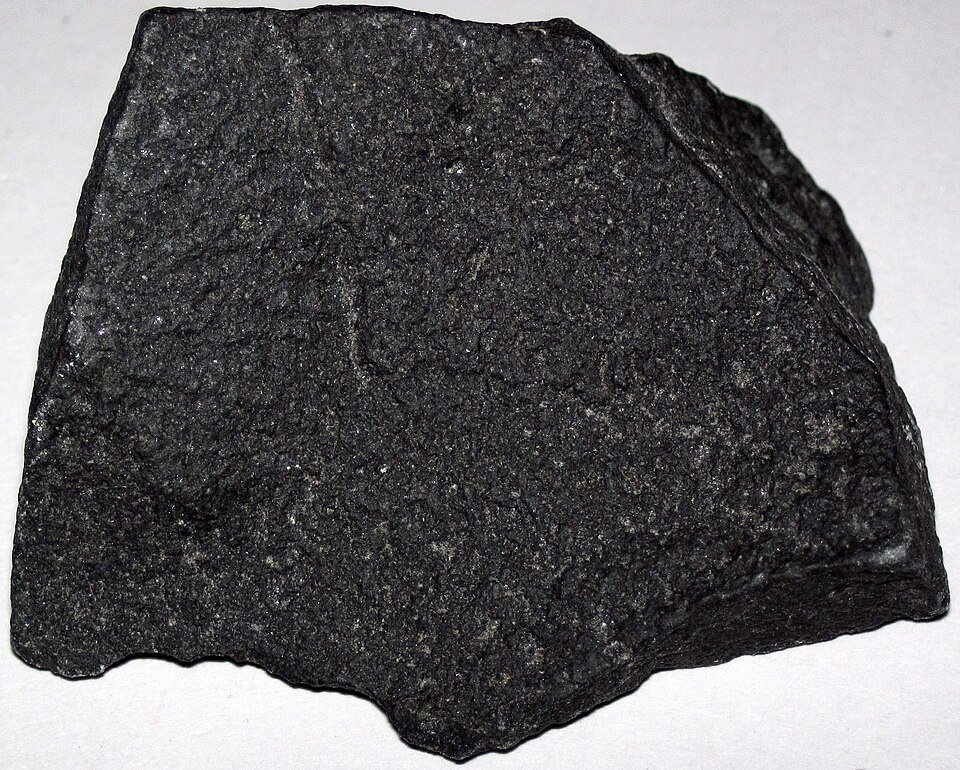
Basalt
Fine-grained — crystals are too small to see individually, often looks almost glassy or dull
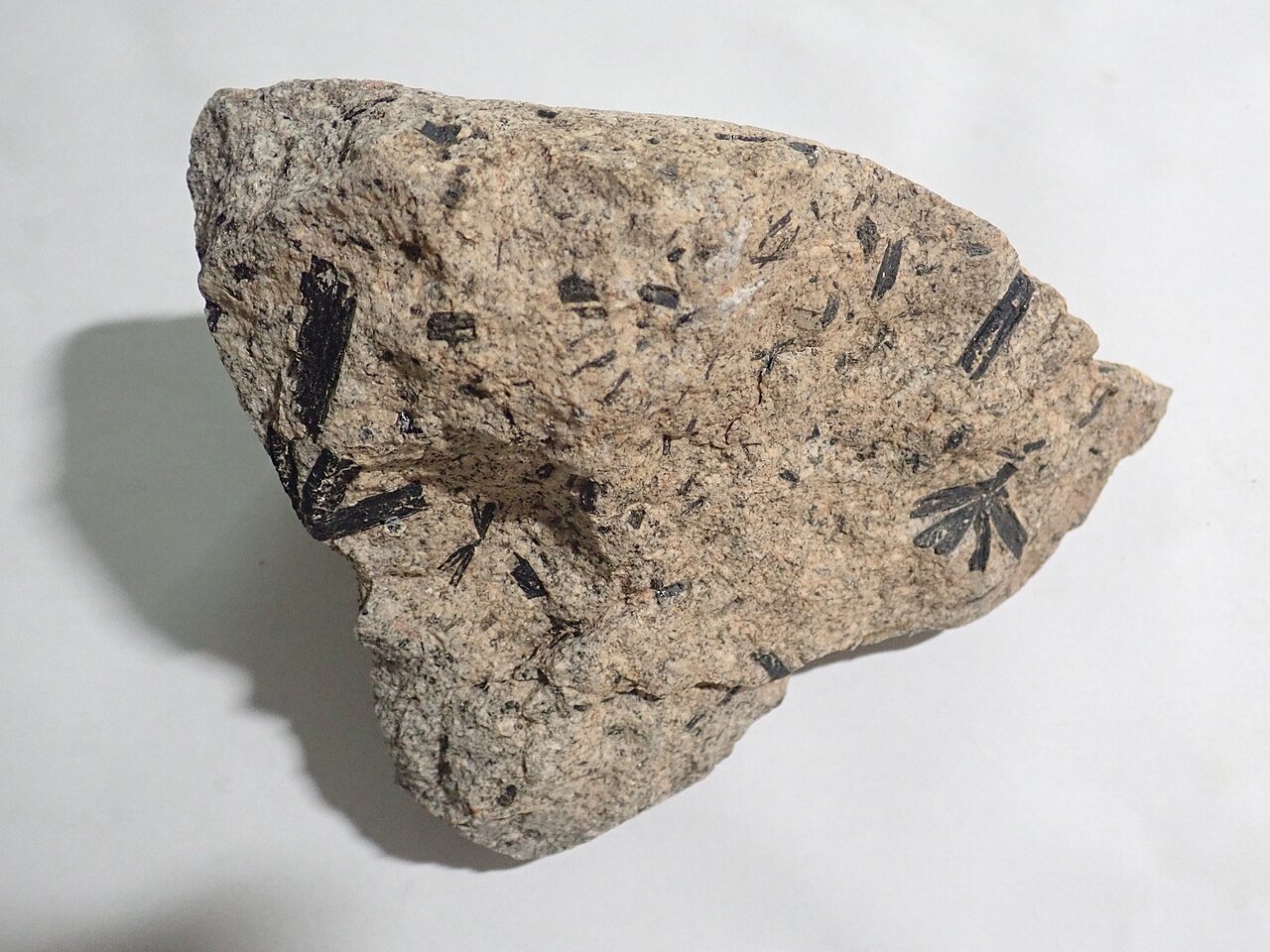
Diorite
Coarse-grained, crystals clearly visible
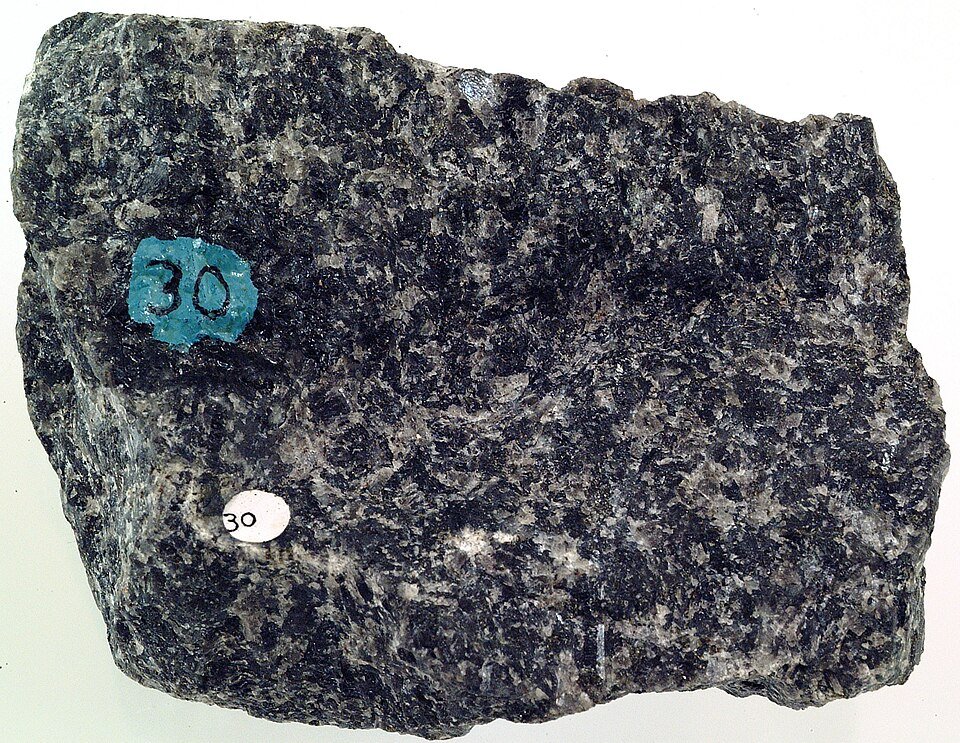
Gabbro
Coarse-grained, like granite or diorite, but dark
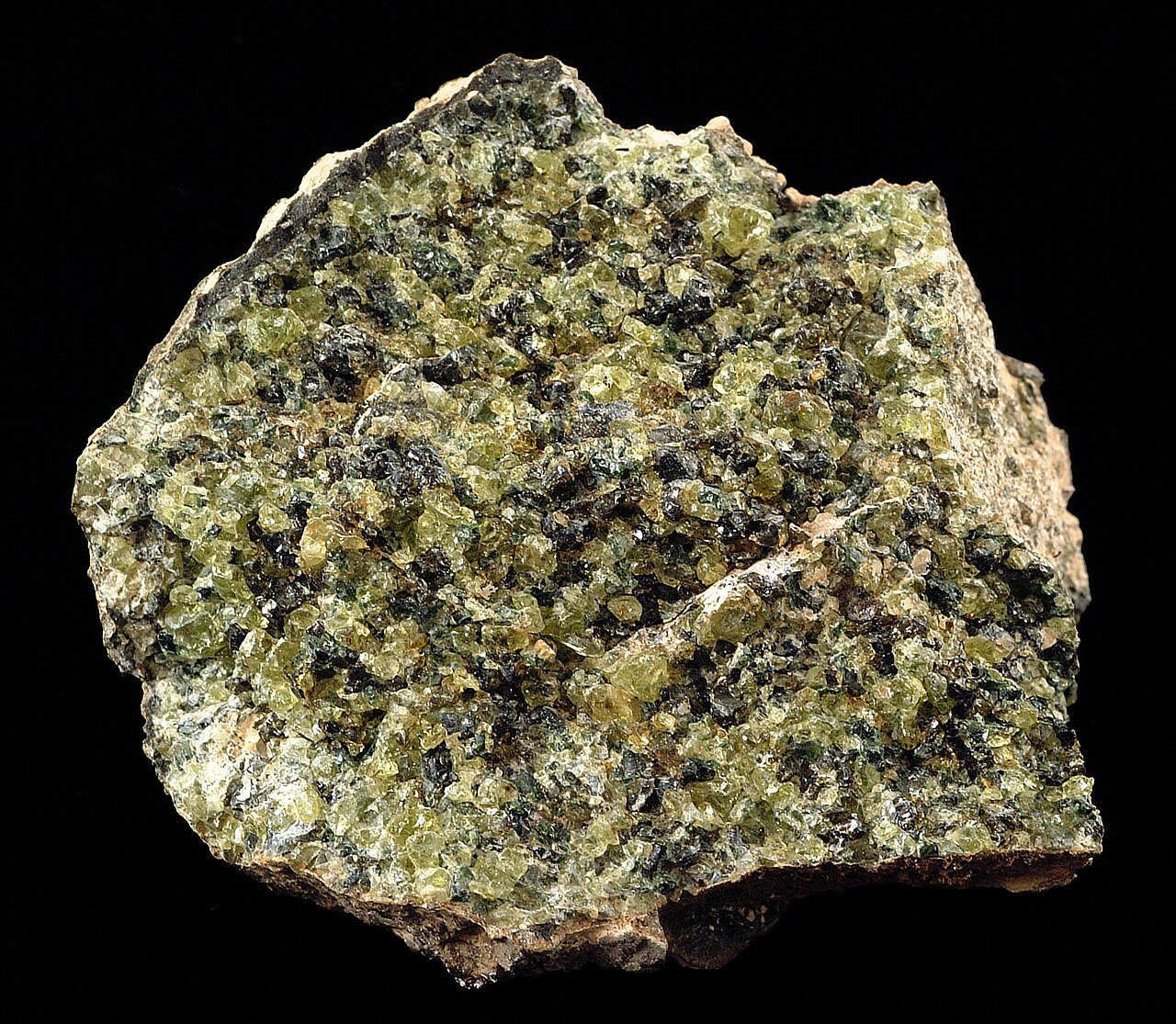
Peridotite
Coarse-grained
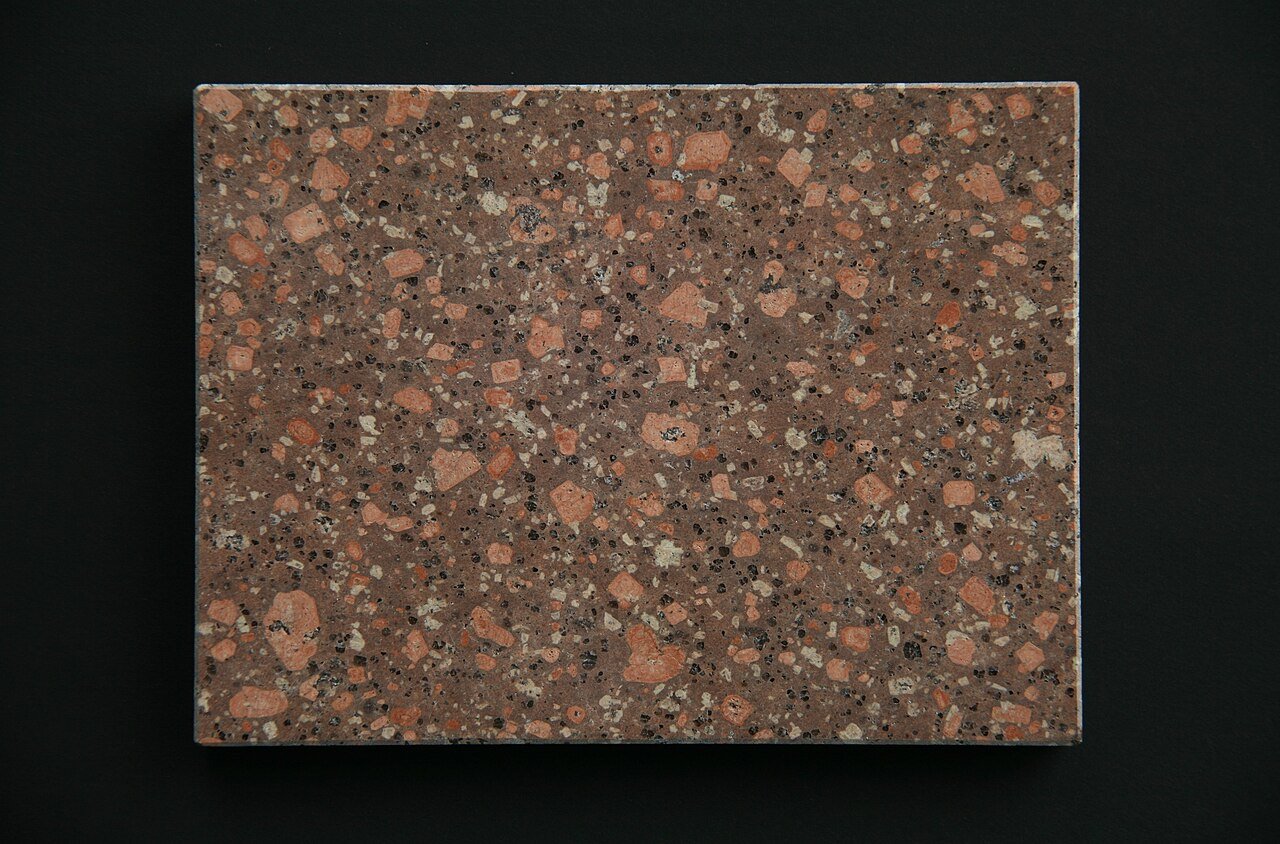
Rhyolite
Fine-grained, sometimes with a few larger crystals scattered in a fine matrix
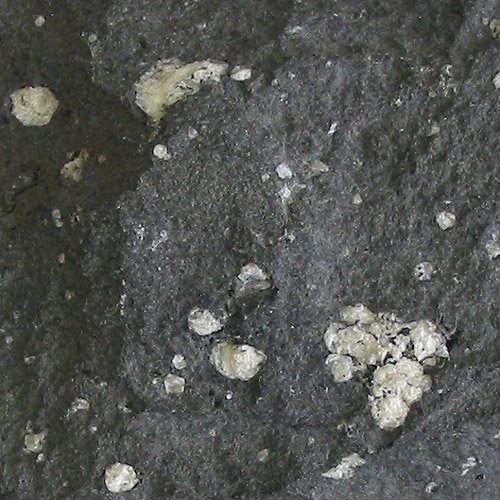
Andesite
Fine-grained, medium gray to greenish-gray
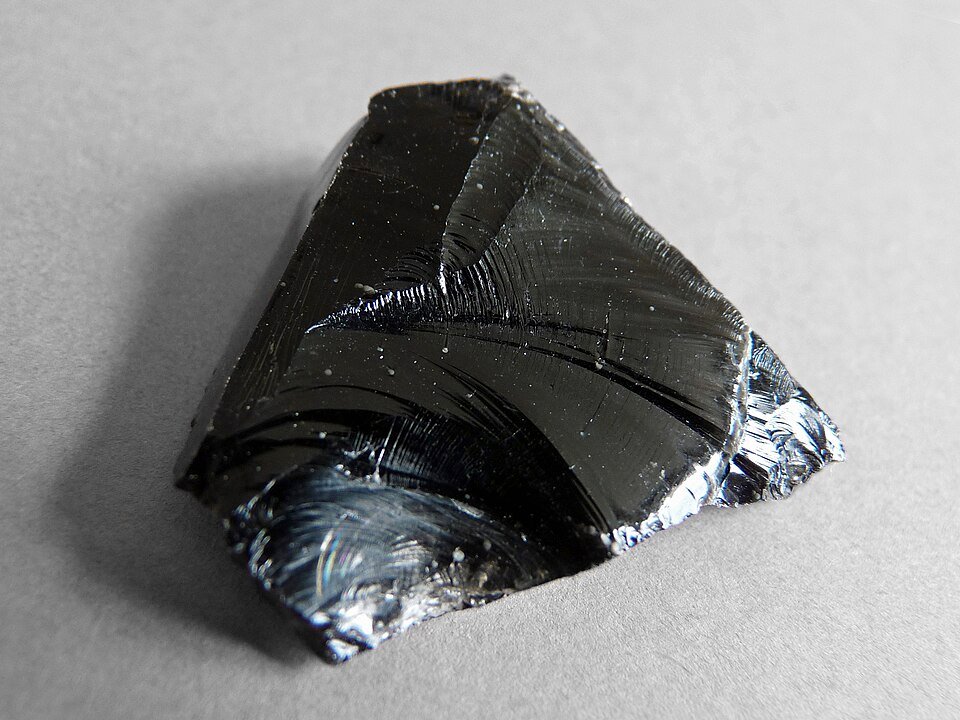
Obsidian
Glassy luster, smooth
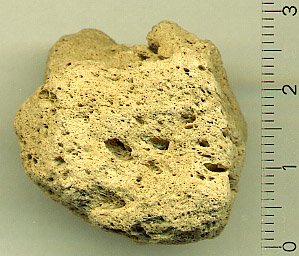
Pumice
Extremely light, full of visible air pockets/holes (vesicles)
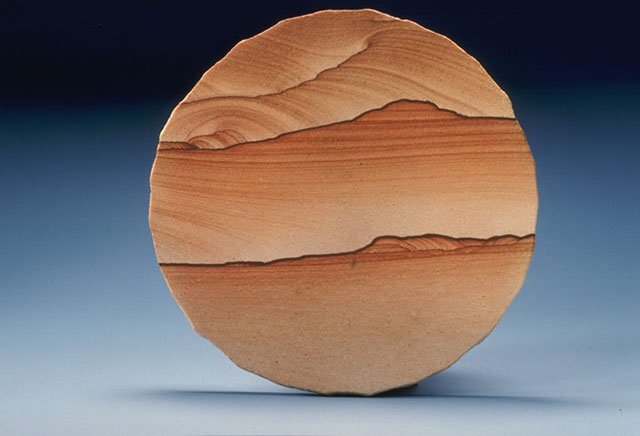
Sandstone
Visibly grainy texture, feels gritty
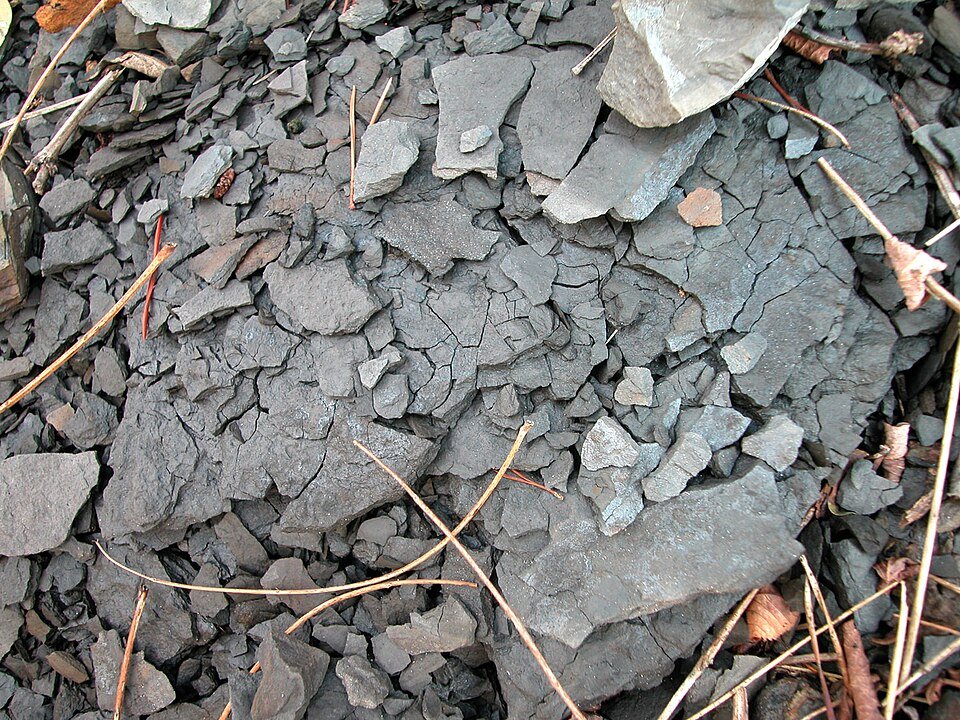
Shale
Very fine-grained, smooth to the touch
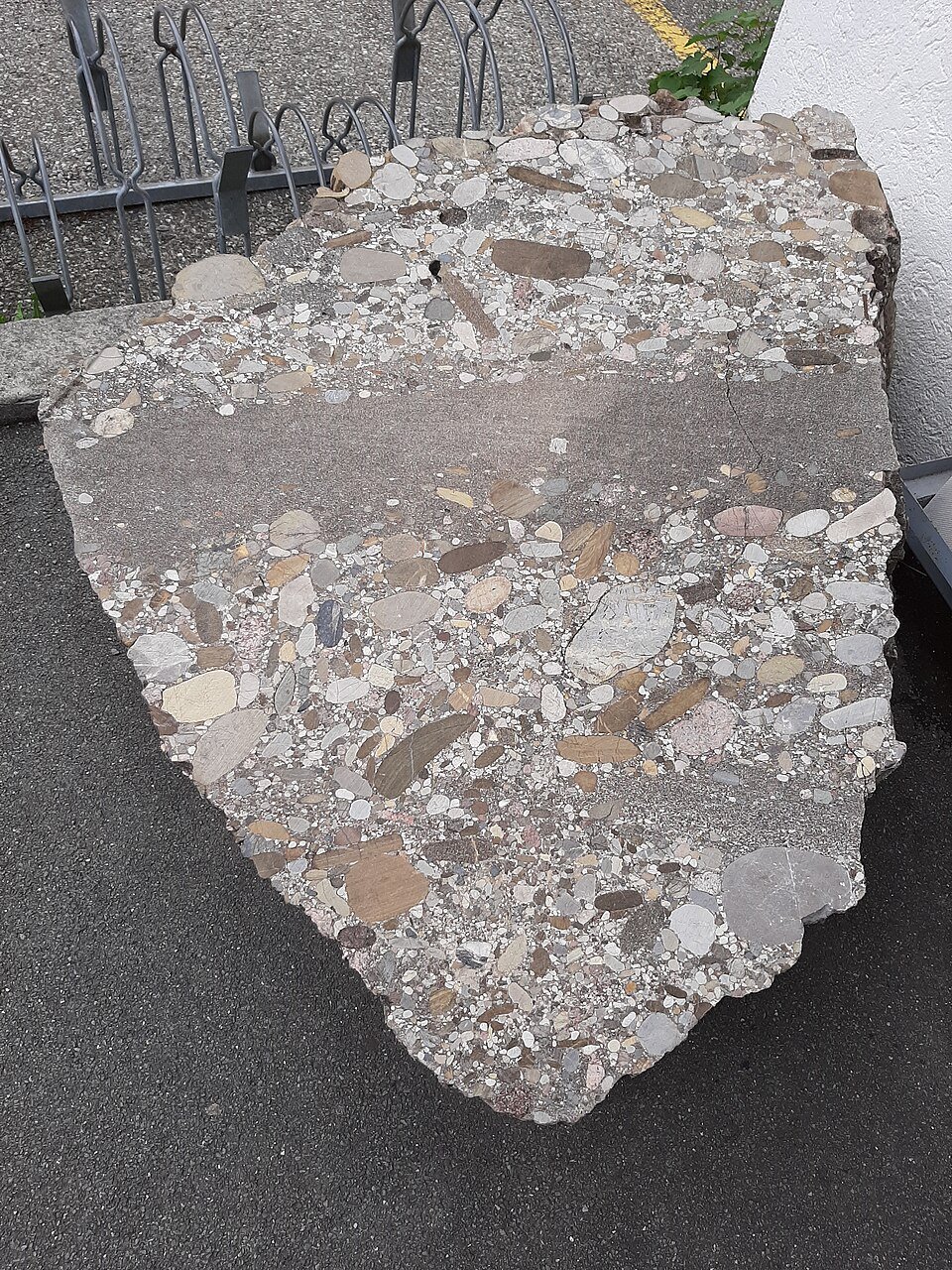
Conglomerate
Visibly made of rounded pebbles/clasts embedded in a finer matrix
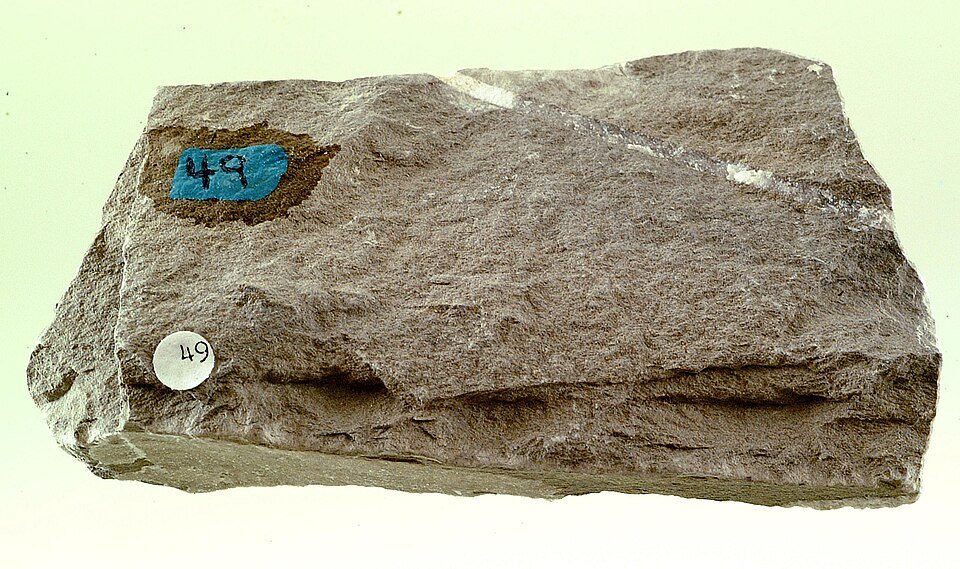
Siltstone
Fine-grained, but with a slight gritty feel — finer than sandstone, coarser than shale
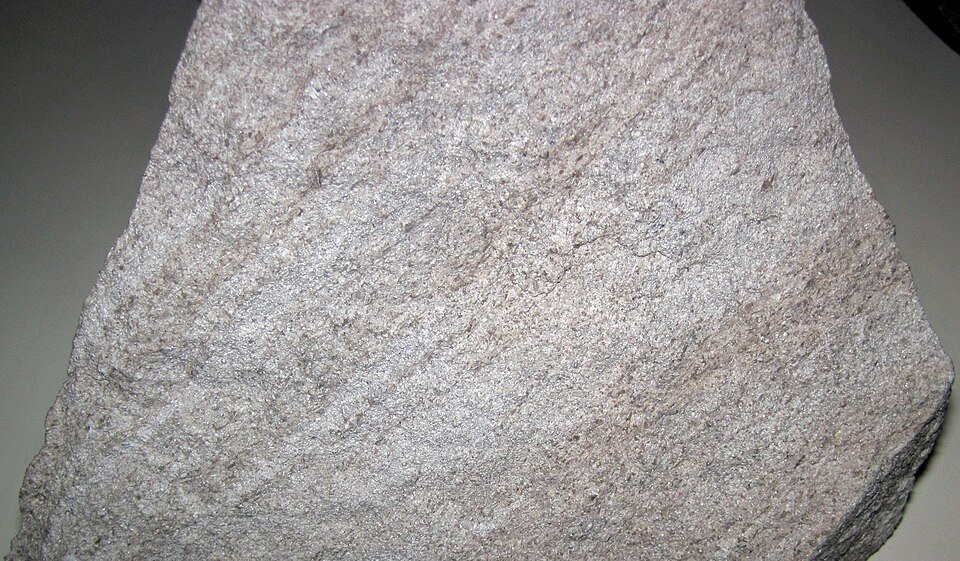
Limestone
Usually light-colored: white, gray, tan, sometimes yellowish
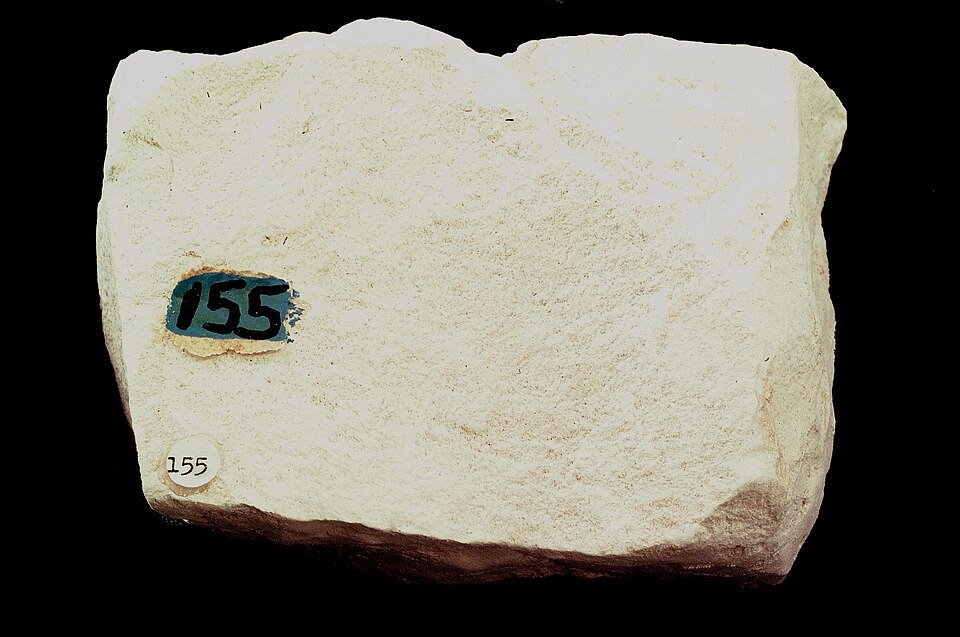
Chalk
Very soft, fine, powdery — easily scratched with a fingernail
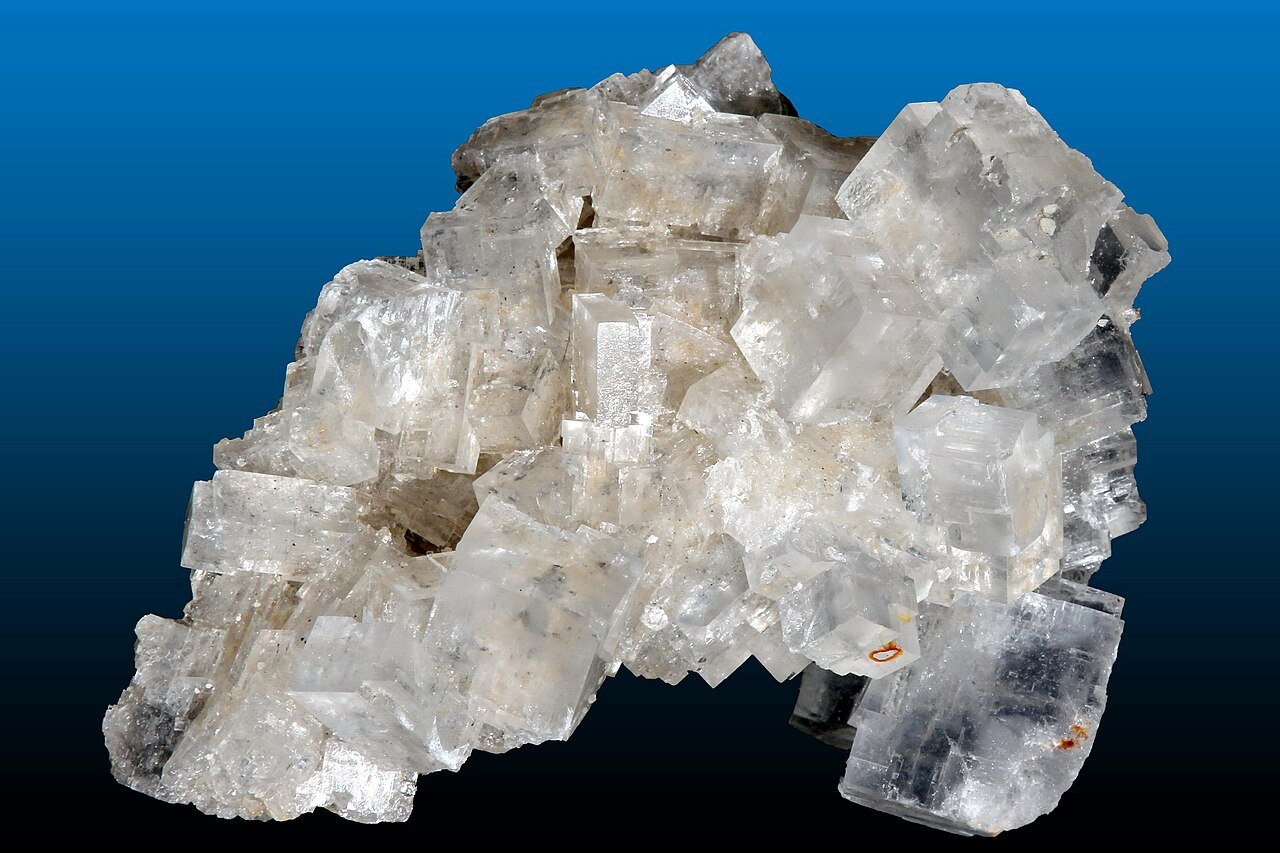
Rock Salt (halite)
Usually clear, white, or tinted pink/orange from impurities
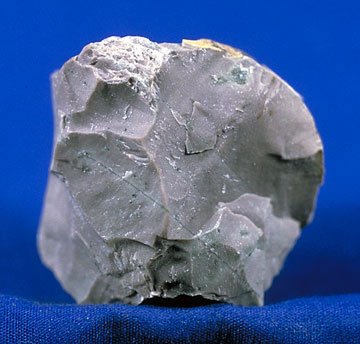
Chert
Very hard (7 on the Mohs scale, like quartz) — will scratch glass
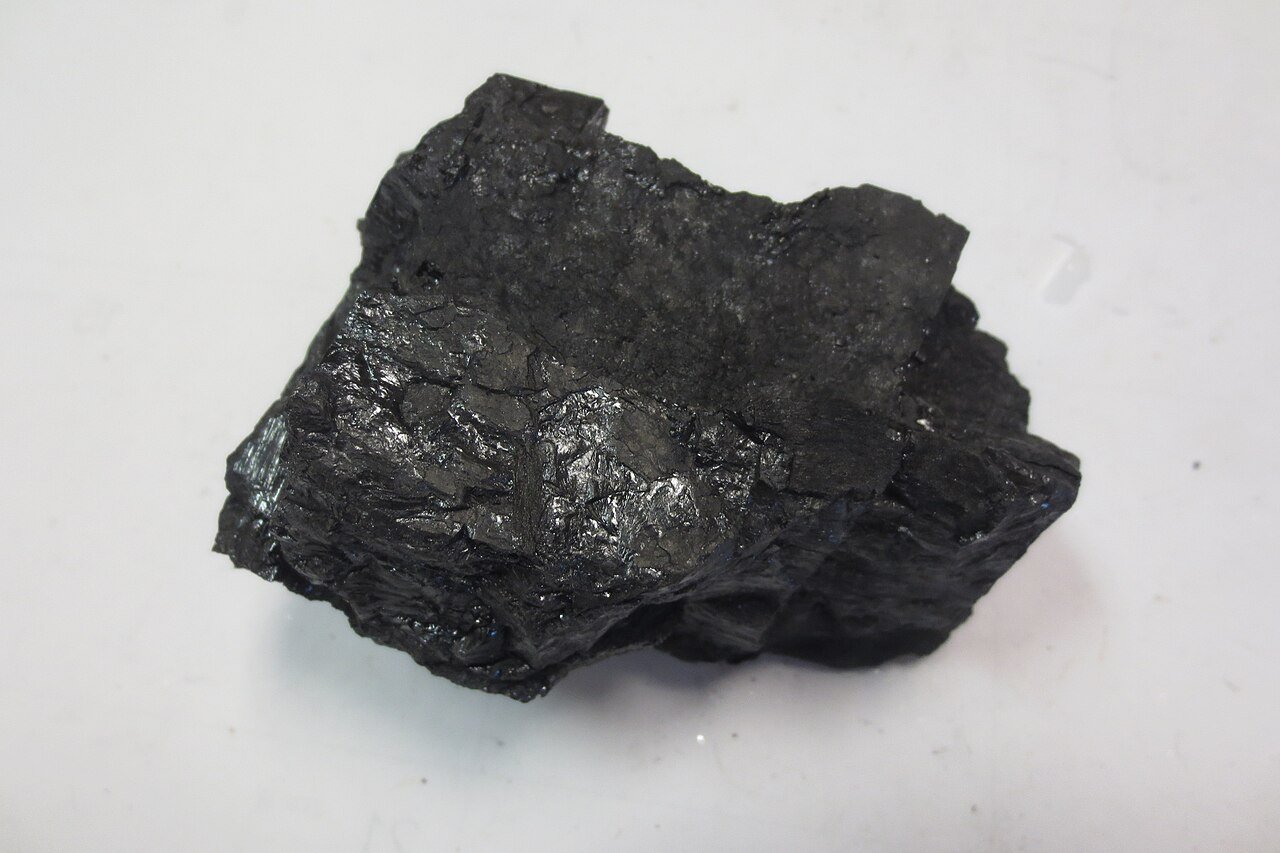
Coal
Black to dark brown
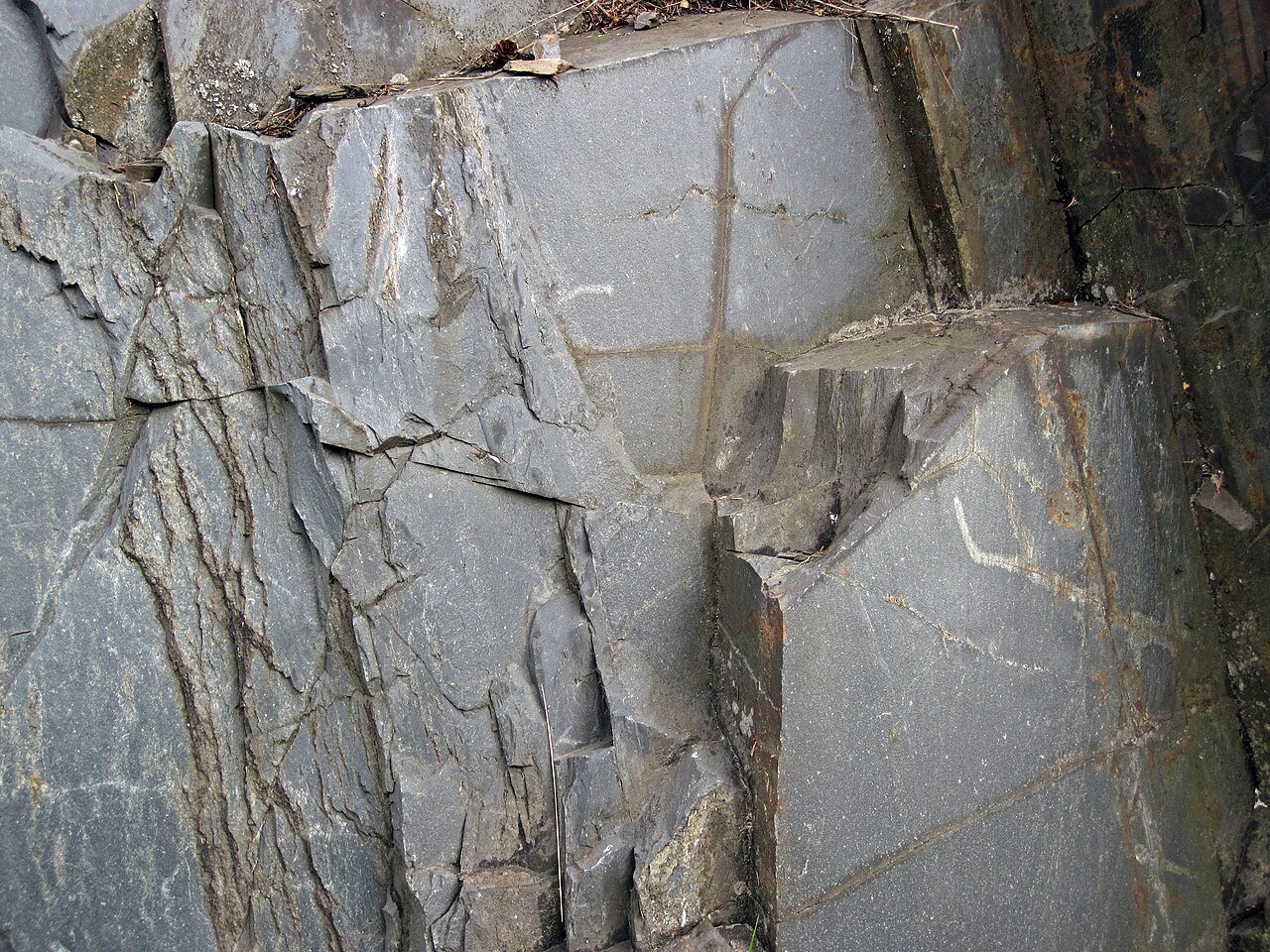
Slate
Splits into thin, flat, smooth sheets — even more cleanly than the shale it came from
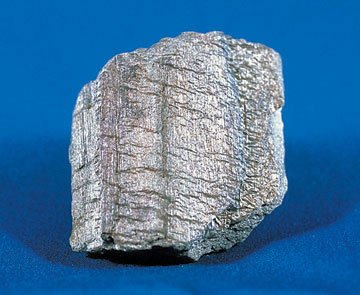
Phyllite
Distinctive silky/satiny sheen (from the small aligned mica crystals) — this is the fastest way to identify it
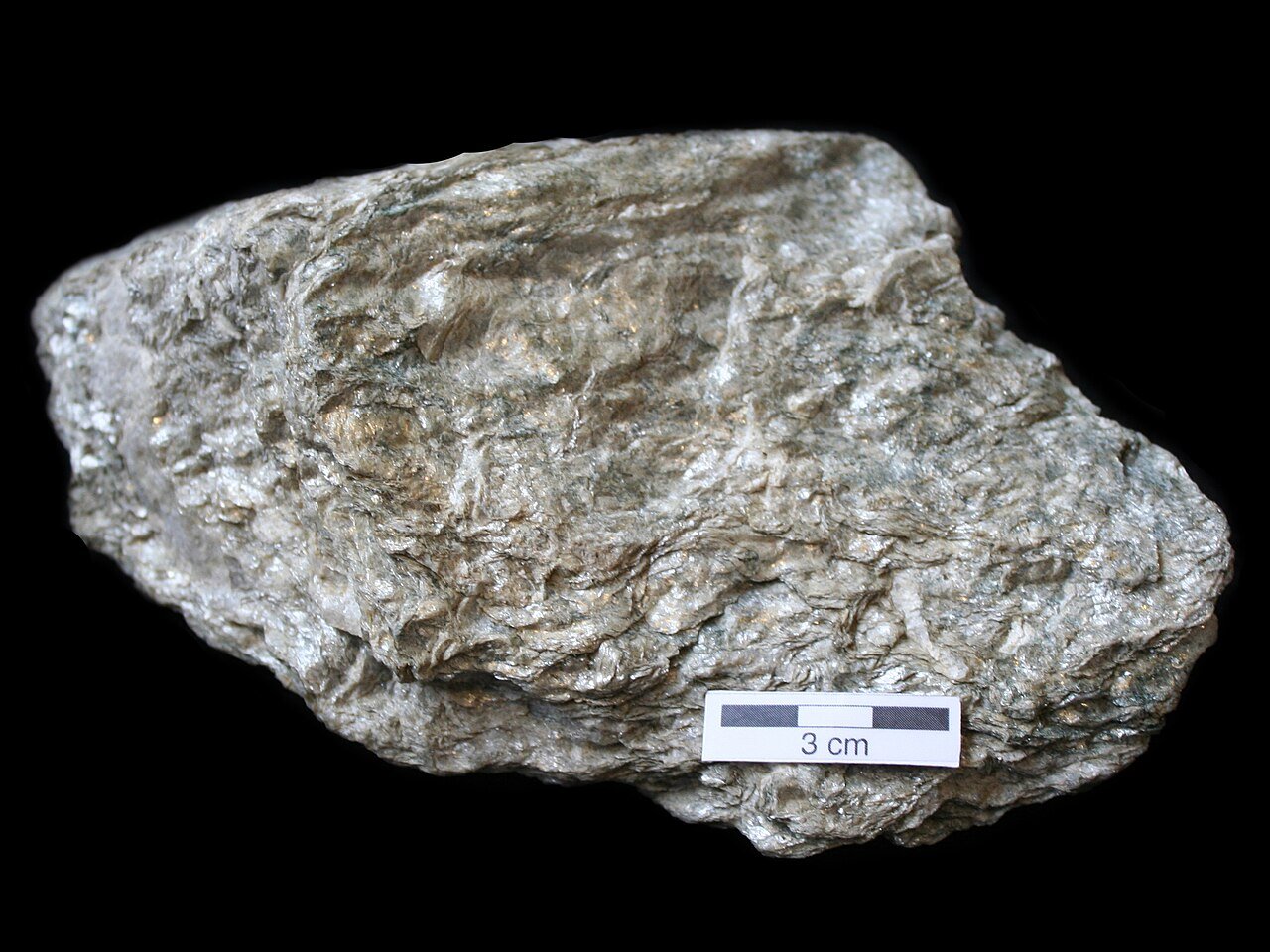
Schist
Visible, large, sparkly mica flakes (or other platy minerals) aligned in wavy layers
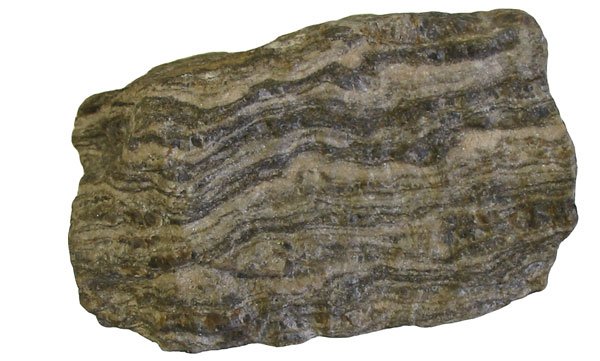
Gneiss
Bold, coarse banding, alternating light (quartz/feldspar) and dark (mica/hornblende) layers
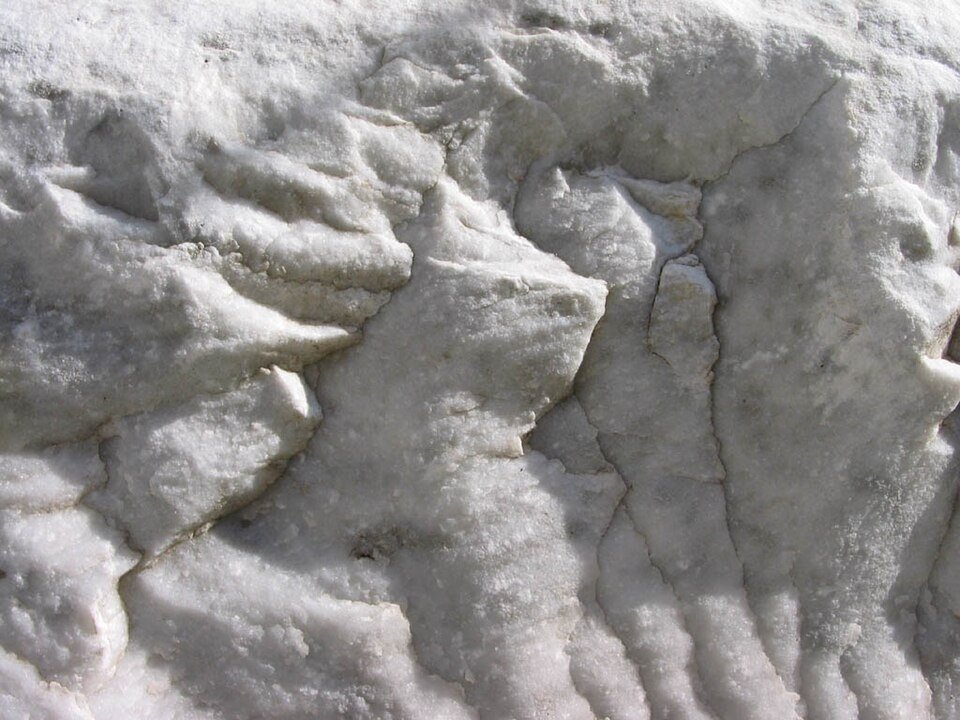
Marble
Crystalline, sugary-looking texture when broken
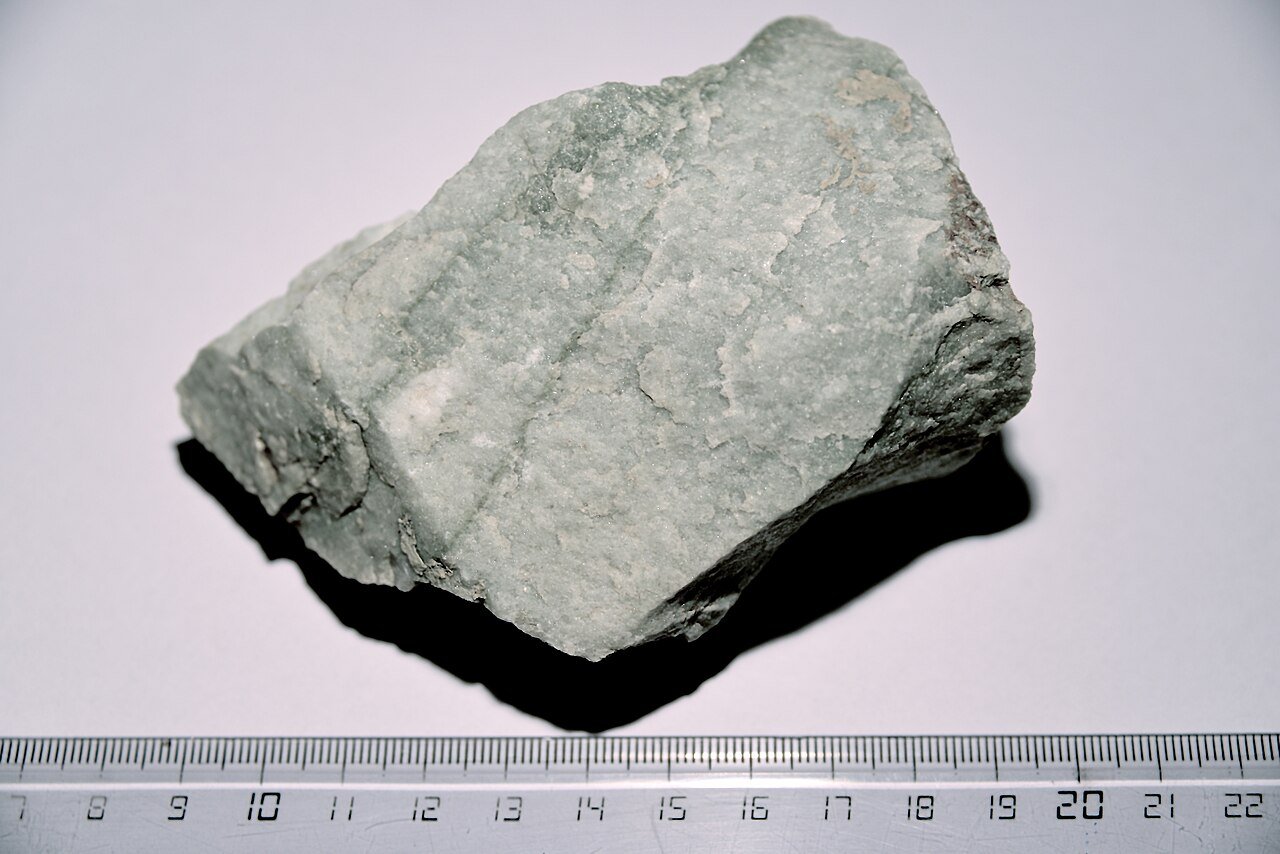
Quartzite
Very hard (7, like quartz) — resists scratching
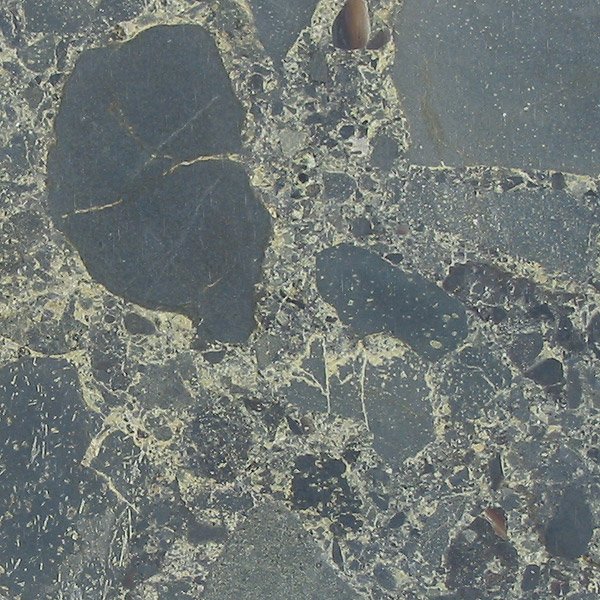
Breccia
Made of visibly angular (sharp-edged, not rounded) rock fragments set in a finer matrix

Pegmatite
Extremely coarse-grained, individual crystals often large enough to pick out and identify by eye alone

Syenite
Coarse-grained, crystals clearly visible, same general look as granite at a glance

Tuff
Fragmental, often visibly made of compacted ash and small rock/pumice fragments
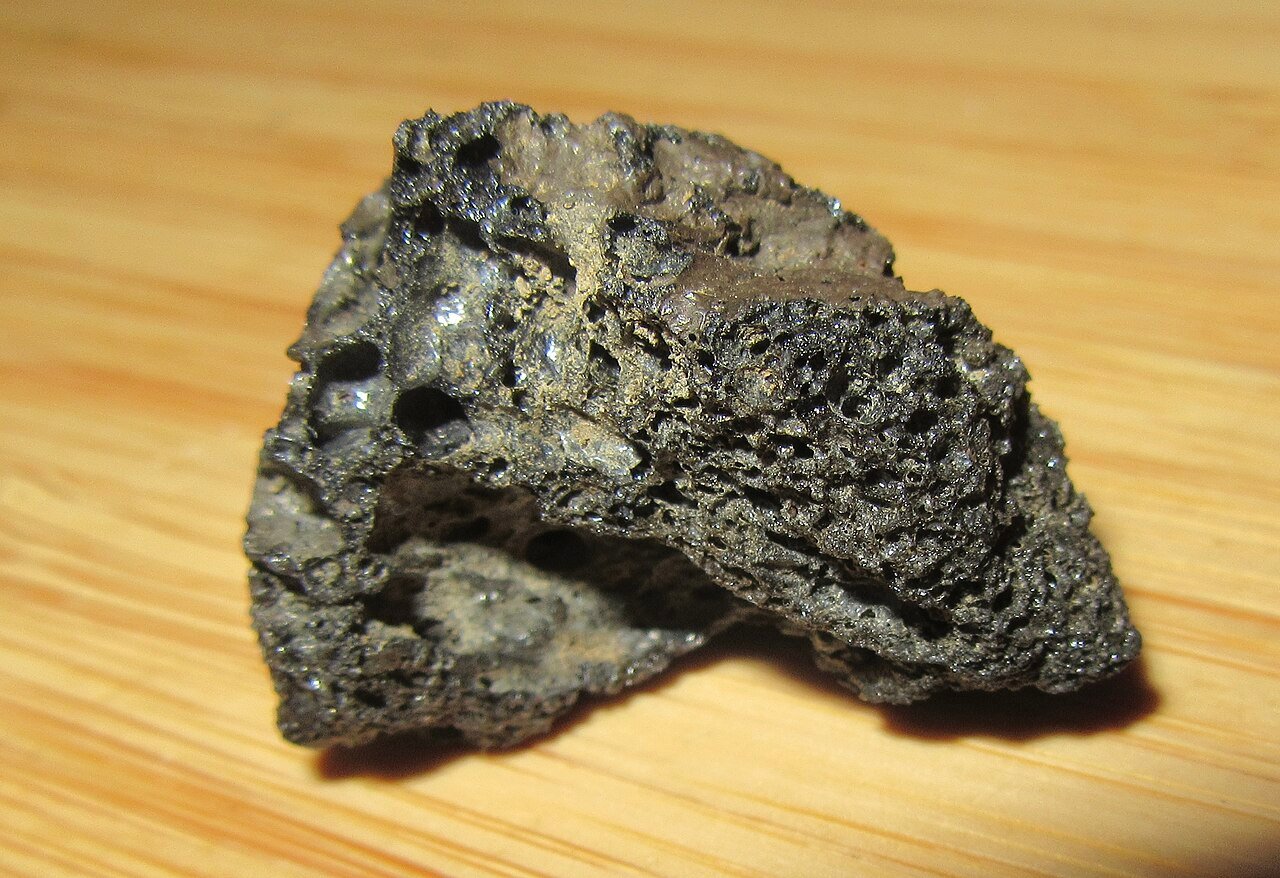
Scoria
Full of visible holes (vesicles), similar to pumice

Dolostone
Similar appearance to limestone: light-colored, fine to medium-grained

Gypsum
Very soft — can be scratched with a fingernail (2 on the Mohs hardness scale, one of the softest common rock-forming minerals)

Hornfels
Very fine-grained — individual crystals are far too small to see without a microscope

Amphibolite
Dark: black to dark green

Serpentinite
Green to greenish-black, sometimes mottled or streaked